Buy eurolingvija.eu ?
We are moving the project
eurolingvija.eu .
Are you interested in purchasing the domain
eurolingvija.eu ?
domain@kv-gmbh.de · 0541-91531010
Buy eurolingvija.eu ?
Why are there unshielded U/UTP Cat 7 network cables?
Unshielded U/UTP Cat 7 network cables exist because they are designed for specific applications where electromagnetic interference is not a concern. These cables are typically used in environments where there is minimal risk of interference, such as in residential or small office settings. Additionally, unshielded cables are often more cost-effective and easier to install compared to shielded cables, making them a practical choice for certain networking needs. However, it's important to consider the potential for interference when choosing between shielded and unshielded cables for a particular application. **
How do I determine the polarity of cables in direct current?
To determine the polarity of cables in direct current, you can use a multimeter set to the DC voltage setting. Connect the red probe to the positive terminal of the cable and the black probe to the negative terminal. If the multimeter shows a positive reading, then the red probe is connected to the positive terminal. If the reading is negative, then the red probe is connected to the negative terminal. This method helps you identify the polarity of the cables accurately. **


Similar search terms for Cables-Direct-Cat5e-U
Top-Angebote
Products related to Cables-Direct-Cat5e-U:
-
Anker Laptop Power Bank (25K, 165W, Built-In and Retractable Cables)Triple 100WÂ USB-C Ports for Multi-Device: Designed for multitaskers, featuring three USB-C ports each delivering up to 100W, allowing you to power a MacBook and other devices simultaneously without losing charging speed. 25,000mAh for Long-Haul...119,99 $*Shipping: 0,00 $Secure redirect to the provider


-
Can the direct current cross-section be distributed across multiple cables?
Yes, direct current can be distributed across multiple cables. By connecting multiple cables in parallel, the total current can be divided among the cables, allowing for the distribution of the direct current across them. This method is commonly used in electrical systems to ensure that the current is evenly distributed and to prevent overloading of individual cables. **
-
Do you need thicker cables for direct current than for alternating current?
No, you do not necessarily need thicker cables for direct current (DC) than for alternating current (AC). The current-carrying capacity of a cable is determined by factors such as the material, size, and insulation of the cable, as well as the voltage and current being carried. Both DC and AC have their own unique considerations when it comes to cable sizing, but the need for thicker cables is not inherently tied to the type of current being carried. It ultimately depends on the specific requirements of the electrical system and the application. **
-
How does the stress on cables differ between direct current and alternating current?
In direct current (DC) systems, the stress on cables is relatively constant because the current flows in one direction continuously. This results in a steady and predictable stress level on the cables. On the other hand, in alternating current (AC) systems, the stress on cables fluctuates as the current changes direction periodically. This can lead to higher stress levels on the cables, especially during peak currents, which may require cables to be designed to withstand these fluctuations. **
-
Why does the voltage tester light up on both cables in direct current?
The voltage tester lights up on both cables in direct current because in a direct current circuit, the flow of electric charge is unidirectional. This means that the current flows from the positive terminal to the negative terminal of the power source. When the voltage tester is connected to the cables, it detects the presence of electric potential difference between the two points, causing the light to illuminate on both cables. This indicates that there is a voltage present in the circuit, regardless of the direction of the current flow. **

How do I connect a Cat5e cable with 6 wires?
To connect a Cat5e cable with 6 wires, you will need to use a modular connector, commonly known as an RJ45 connector. First, strip the outer insulation of the cable to expose the 6 individual wires. Then, arrange the wires according to the T568A or T568B wiring standard, which are the two most common standards for Ethernet cables. Once the wires are arranged, insert them into the appropriate slots on the RJ45 connector and use a crimping tool to secure the wires in place. Finally, test the cable to ensure that it is properly connected and transmitting data. **
What is the maximum transmission speed with a Cat5e cable?
The maximum transmission speed with a Cat5e cable is 1,000 Mbps (1 Gigabit per second) at a maximum distance of 100 meters. This makes Cat5e cables suitable for most home and small business networks, as they can handle the high-speed data transfer required for activities such as streaming, gaming, and file sharing. However, for even faster transmission speeds, Cat6 or Cat6a cables may be more suitable. **
Top-Angebote
Products related to Cables-Direct-Cat5e-U:
-
Multicon Wholesale Hub HDMI Extender To RJ45 Adapter Pair For Cat5e Cat Ethernet HDMI Extender To RJ45 Adapter Pair For Cat5e Cat EthernetStop struggling with short, bulky cables and enjoy a cleaner way tade for users who want a simple, affordable way to send video over standard network cable in home, office, classroom, or display setups. Designed as an HDMI to RJ45 adapter set, it...39,97 $*Shipping: 0,00 $Secure redirect to the provider
-
Direct Wicker "151.6"" Modern U-shaped Modular Sectional Sofa with Center Console and Storage Pockets"This multi‑functional U‑shaped sectional sofa is upholstered in premium chenille fabric, designed for large‑family daily use and entertainment.1796,99 $*Shipping: 0,00 $Secure redirect to the provider
-
Anker Laptop Power Bank (25K, 165W, Built-In and Retractable Cables)Triple 100WÂ USB-C Ports for Multi-Device: Designed for multitaskers, featuring three USB-C ports each delivering up to 100W, allowing you to power a MacBook and other devices simultaneously without losing charging speed. 25,000mAh for Long-Haul...119,99 $*Shipping: 0,00 $Secure redirect to the provider
-
Why are there unshielded U/UTP Cat 7 network cables?
Unshielded U/UTP Cat 7 network cables exist because they are designed for specific applications where electromagnetic interference is not a concern. These cables are typically used in environments where there is minimal risk of interference, such as in residential or small office settings. Additionally, unshielded cables are often more cost-effective and easier to install compared to shielded cables, making them a practical choice for certain networking needs. However, it's important to consider the potential for interference when choosing between shielded and unshielded cables for a particular application. **
-
How do I determine the polarity of cables in direct current?
To determine the polarity of cables in direct current, you can use a multimeter set to the DC voltage setting. Connect the red probe to the positive terminal of the cable and the black probe to the negative terminal. If the multimeter shows a positive reading, then the red probe is connected to the positive terminal. If the reading is negative, then the red probe is connected to the negative terminal. This method helps you identify the polarity of the cables accurately. **
-
Can the direct current cross-section be distributed across multiple cables?
Yes, direct current can be distributed across multiple cables. By connecting multiple cables in parallel, the total current can be divided among the cables, allowing for the distribution of the direct current across them. This method is commonly used in electrical systems to ensure that the current is evenly distributed and to prevent overloading of individual cables. **
-
Do you need thicker cables for direct current than for alternating current?
No, you do not necessarily need thicker cables for direct current (DC) than for alternating current (AC). The current-carrying capacity of a cable is determined by factors such as the material, size, and insulation of the cable, as well as the voltage and current being carried. Both DC and AC have their own unique considerations when it comes to cable sizing, but the need for thicker cables is not inherently tied to the type of current being carried. It ultimately depends on the specific requirements of the electrical system and the application. **
Similar search terms for Cables-Direct-Cat5e-U
-
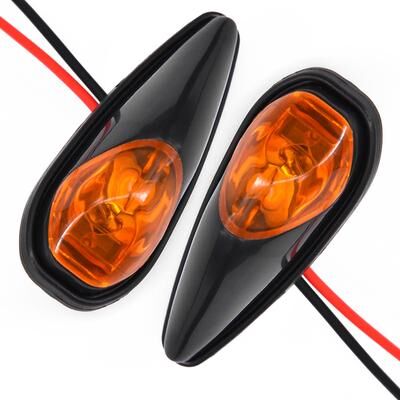
Smart Shopping Spot Mini Universal Motorcycle Blinker Lights With Cables, Yellow LED Turn Signal Indicator, Daytime Running Lights Mini Universal Motorcycle Blinker Lights With Cables, Yellow LED Turn Signal Indicator, Daytime Running LightsEnhance Your Ride with Mini Universal Motorcycle LED Turn Signal Indicator Ensure maximum safety and visibility on the road with the Mini Universal Motorcycle Yellow LED Turn Signal Indicator. These compact yet powerful blinker lights with cables...34,97 $*Shipping: 0,00 $Secure redirect to the provider
-
Direct Wicker "151.6"" Modern U-shaped Modular Sectional Sofa with Center Console and Storage Pockets"This multi‑functional U‑shaped sectional sofa is upholstered in premium chenille fabric, designed for large‑family daily use and entertainment.1796,99 $*Shipping: 0,00 $Secure redirect to the provider
-
How does the stress on cables differ between direct current and alternating current?
In direct current (DC) systems, the stress on cables is relatively constant because the current flows in one direction continuously. This results in a steady and predictable stress level on the cables. On the other hand, in alternating current (AC) systems, the stress on cables fluctuates as the current changes direction periodically. This can lead to higher stress levels on the cables, especially during peak currents, which may require cables to be designed to withstand these fluctuations. **
-
Why does the voltage tester light up on both cables in direct current?
The voltage tester lights up on both cables in direct current because in a direct current circuit, the flow of electric charge is unidirectional. This means that the current flows from the positive terminal to the negative terminal of the power source. When the voltage tester is connected to the cables, it detects the presence of electric potential difference between the two points, causing the light to illuminate on both cables. This indicates that there is a voltage present in the circuit, regardless of the direction of the current flow. **
-
How do I connect a Cat5e cable with 6 wires?
To connect a Cat5e cable with 6 wires, you will need to use a modular connector, commonly known as an RJ45 connector. First, strip the outer insulation of the cable to expose the 6 individual wires. Then, arrange the wires according to the T568A or T568B wiring standard, which are the two most common standards for Ethernet cables. Once the wires are arranged, insert them into the appropriate slots on the RJ45 connector and use a crimping tool to secure the wires in place. Finally, test the cable to ensure that it is properly connected and transmitting data. **
-
What is the maximum transmission speed with a Cat5e cable?
The maximum transmission speed with a Cat5e cable is 1,000 Mbps (1 Gigabit per second) at a maximum distance of 100 meters. This makes Cat5e cables suitable for most home and small business networks, as they can handle the high-speed data transfer required for activities such as streaming, gaming, and file sharing. However, for even faster transmission speeds, Cat6 or Cat6a cables may be more suitable. **
* All prices are inclusive of VAT and, if applicable, plus shipping costs. The offer information is based on the details provided by the respective shop and is updated through automated processes. Real-time updates do not occur, so deviations can occur in individual cases. ** Note: Parts of this content were created by AI.