Buy eurolingvija.eu ?
We are moving the project
eurolingvija.eu .
Are you interested in purchasing the domain
eurolingvija.eu ?
domain@kv-gmbh.de · 0541-91531010
Buy eurolingvija.eu ?
How can one get colleges or universities to buy one's own nonfiction books?
One way to get colleges or universities to buy your nonfiction books is to establish yourself as an expert in your field through speaking engagements, articles, and other forms of public recognition. This can help build your credibility and make your books more appealing to academic institutions. Additionally, reaching out directly to professors, department heads, or librarians at colleges and universities and offering to provide copies of your book for review or consideration for course adoption can also be effective. Finally, working with a literary agent or publishing company that specializes in academic or nonfiction books can help you navigate the process of getting your books into college and university libraries and curriculums. **
What types of education programs are available for learning the Korean language?
There are various types of education programs available for learning the Korean language, including university courses, language schools, online courses, and self-study materials. Universities often offer Korean language courses as part of their language departments or East Asian studies programs. Language schools, both in South Korea and abroad, provide intensive language courses for learners of all levels. Online platforms and apps offer flexibility and convenience for self-paced learning. Additionally, there are textbooks, workbooks, and language exchange programs that can help individuals improve their Korean language skills. **

Similar search terms for Nonfiction
Top-Angebote
Products related to Nonfiction:
-
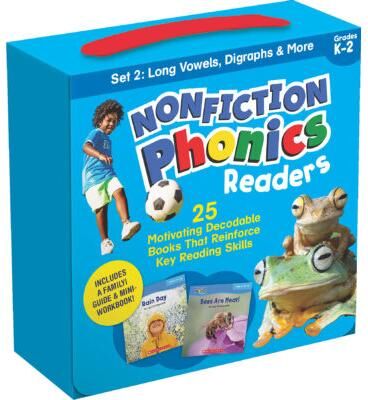
Nonfiction Phonics Readers SET 2: Long Vowels, Digraphs & MoreGive your child the tools to become a successful reader with this big collection of titles that target must-know concepts: long vowels, digraphs, two syllable words, and more. Each title features clear photos, just-right decodable text, and lively...20,39 $*Shipping: 0,00 $Secure redirect to the provider
-
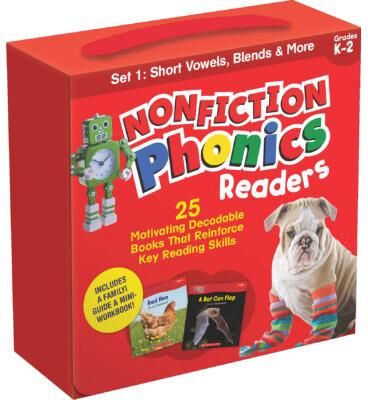
Nonfiction Phonics Readers SET 1: Short Vowels, Blends & MoreGive your child the tools to become a successful reader with this big collection of titles that target must-know concepts: short vowels, blends, plurals, and more. Each title features clear photos, just-right decodable text, and lively real-world...20,39 $*Shipping: 0,00 $Secure redirect to the provider
-
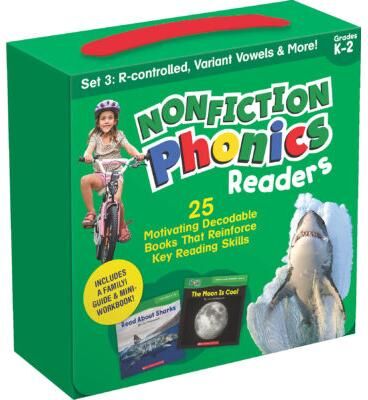
Nonfiction Phonics Readers SET 3: R-Control, Variant Vowels & MoreReinforce must-know phonics concepts with this cutting-edge series of nonfiction books! Each title features simple decodable text paired with clear, colorful photos to maximize learning and fun. From birds to birthdays, fast cars to big sharks―all...20,39 $*Shipping: 0,00 $Secure redirect to the provider
-
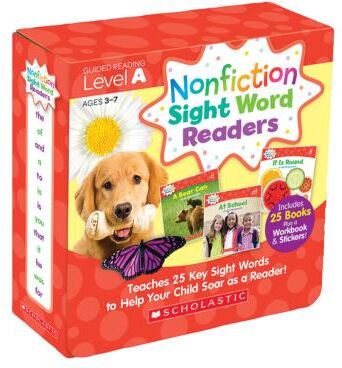
Scholastic Teaching Resources Nonfiction Sight Word Readers Parent Pack Level AParents can set the stage for their child to soar with these just-right books that teach the first 100 Fry sight words! Each box incParents can set the stage for their child to soar with these just-right books that teach the first 100 Fry sight...23,99 $*Shipping: 0,00 $Secure redirect to the provider
-
Is German culture identifiable beyond language?
Yes, German culture is identifiable beyond language. German culture is known for its rich history, traditions, and customs that are distinct from other cultures. From its famous Oktoberfest celebrations to its traditional folk music and dance, German culture is easily recognizable. Additionally, German cuisine, art, and architecture also play a significant role in shaping the country's cultural identity. Overall, German culture is identifiable through a variety of cultural elements beyond just the German language. **
-
Why does a culture of non-communication establish itself?
A culture of non-communication can establish itself for a variety of reasons. One common reason is fear of conflict or confrontation, which can lead people to avoid difficult conversations and instead choose to remain silent. Additionally, a lack of trust or a fear of judgment can also contribute to a culture of non-communication, as individuals may feel hesitant to share their thoughts and feelings. In some cases, organizational structures and hierarchies can also discourage open communication, leading to a culture of silence and non-disclosure. Overall, a culture of non-communication can develop when there is a lack of psychological safety and trust within a group or organization. **
-
Which language is worth learning?
The language that is worth learning depends on individual interests, career goals, and personal connections. Some popular languages like English, Spanish, Mandarin, and French can open up opportunities for communication, travel, and business around the world. However, learning a less commonly spoken language, such as Arabic, Russian, or Japanese, can also be valuable for niche career paths, cultural understanding, and unique travel experiences. Ultimately, the language that is worth learning is one that aligns with your goals and interests. **
-
What are the offerings in the learning areas of language and speaking and aesthetic education?
In the learning area of language and speaking, students are offered a variety of courses that focus on developing communication skills, such as public speaking, debate, and creative writing. These courses help students improve their ability to express themselves effectively and confidently. In aesthetic education, students have the opportunity to explore various forms of art, music, and theater. They can take classes in visual arts, music theory, dance, and drama, allowing them to appreciate and create art in different mediums. These offerings in both language and speaking and aesthetic education help students develop important skills in communication, creativity, and self-expression. **

What are the offerings in the learning areas of language and speech and aesthetic education?
In the learning area of language and speech, offerings typically include courses in linguistics, literature, communication, public speaking, and foreign languages. Students may also have the opportunity to participate in language immersion programs, language clubs, and writing workshops to enhance their language skills. In aesthetic education, offerings often include courses in art history, music appreciation, theater, dance, and visual arts. Students may engage in hands-on activities such as painting, sculpting, acting, or playing musical instruments to develop their artistic abilities. Aesthetic education also encourages critical thinking and creativity through the exploration of different forms of artistic expression. **
What is exaggerated body language in communication?
Exaggerated body language in communication refers to the use of overly dramatic or intense gestures, facial expressions, or movements to convey a message. This can include gestures that are larger or more pronounced than necessary, facial expressions that are exaggerated beyond what is typical, or movements that are overly theatrical. Exaggerated body language can sometimes be perceived as insincere or over-the-top, and may distract from the intended message. It is important to use body language that is authentic and appropriate to effectively communicate with others. **
Top-Angebote
Products related to Nonfiction:
-
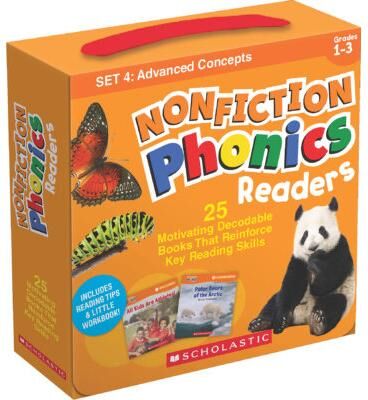
Scholastic Nonfiction Phonics Readers SET 4: Advanced ConceptsExpand your child's phonics skills with these informative books that target and teach important advanced concepts: prefixes, suffixes, vowel team exceptions, multisyllabic words, and more. Each title features clear photos, just-right decodable text,...20,39 $*Shipping: 0,00 $Secure redirect to the provider
-
Usborne Beginners Science Series – 10 Book Classroom Set Primary School STEM & Nonfiction Learning Books (Includes Earthquakes & Tsunamis)Inspire curiosity and a love of learning with the Usborne Beginners Science Series – 10 Books Collection Set, created by Usborne. This engaging educational collection introduces young readers to fascinating science topics through clear explanations, vivid illustrations, and easy-to-read text. Covering subjects such as Earthquakes and Tsunamis, nature, space, and the world around us, these books make complex ideas accessible and exciting. Designed for independent readers and classroom use, the Usborne Beginners series supports early STEM learning, reading confidence, and general knowledge development. Why Parents & Teachers Love This Collection: 10 engaging science books for children Covers key topics including Earthquakes & Tsunamis Easy-to-read format ideal for beginners Bright illustrations and simple explanations Perfect for ages 6–10 and early learners A fantastic introduction to science, the Usborne Beginners Collection helps children explore, question, and understand the world around them. Earthquakes and Tsunamis This is a fantastic addition to the popular Beginners series, providing an informative introduction to the fascinating world of earthquakes for young readers. There are clear explanations of the science behind different types of earthquakes and their effects, including tsunamis and landslides. This title features real-life earthquakes, and describes how people are kept safe and rescued when disaster strikes. Striking colour photographs and step-by-step illustrations engage readers with the subject matter. This title is developed with a reading expert from Roehampton University to help young readers grow in confidence. Sun Moon and Stars What is the Sun made of? How did astronauts get to the Moon and what did they find there? For children beginning to read on their own, this book is an exciting introduction to space. Includes vivid, full colour illustrations and photographs on every page, and easy-to-read text specially written with the help of a reading expert Living in Space How do astronauts travel into space? Where do they live when they get there? What do they do all day? In this book you'll find the answers and lots more amazing facts about living in space. This non-fiction series aims to encourage children to access the wonder of the world around them. The easy-to-read text has been specially written with the help of a reading expert Storms and Hurricanes How do astronauts travel into space? Where do they live when they get there? What do they do all day? In this book you'll find the answers and lots more amazing facts about living in space. This non-fiction series aims to encourage children to access the wonder of the world around them. The easy-to-read text has been specially written with the help of a reading expert Volcanoes An introduction to earthquakes and volcanoes. The sensational images combine with lively text, amazing facts, diagrams and a comprehensive glossary Astronomy A straightforward book telling...17,99 £*Shipping: 2,99 £Secure redirect to the provider
-
Nonfiction Phonics Readers SET 2: Long Vowels, Digraphs & MoreGive your child the tools to become a successful reader with this big collection of titles that target must-know concepts: long vowels, digraphs, two syllable words, and more. Each title features clear photos, just-right decodable text, and lively...20,39 $*Shipping: 0,00 $Secure redirect to the provider
-
Nonfiction Phonics Readers SET 1: Short Vowels, Blends & MoreGive your child the tools to become a successful reader with this big collection of titles that target must-know concepts: short vowels, blends, plurals, and more. Each title features clear photos, just-right decodable text, and lively real-world...20,39 $*Shipping: 0,00 $Secure redirect to the provider
-
How can one get colleges or universities to buy one's own nonfiction books?
One way to get colleges or universities to buy your nonfiction books is to establish yourself as an expert in your field through speaking engagements, articles, and other forms of public recognition. This can help build your credibility and make your books more appealing to academic institutions. Additionally, reaching out directly to professors, department heads, or librarians at colleges and universities and offering to provide copies of your book for review or consideration for course adoption can also be effective. Finally, working with a literary agent or publishing company that specializes in academic or nonfiction books can help you navigate the process of getting your books into college and university libraries and curriculums. **
-
What types of education programs are available for learning the Korean language?
There are various types of education programs available for learning the Korean language, including university courses, language schools, online courses, and self-study materials. Universities often offer Korean language courses as part of their language departments or East Asian studies programs. Language schools, both in South Korea and abroad, provide intensive language courses for learners of all levels. Online platforms and apps offer flexibility and convenience for self-paced learning. Additionally, there are textbooks, workbooks, and language exchange programs that can help individuals improve their Korean language skills. **
-
Is German culture identifiable beyond language?
Yes, German culture is identifiable beyond language. German culture is known for its rich history, traditions, and customs that are distinct from other cultures. From its famous Oktoberfest celebrations to its traditional folk music and dance, German culture is easily recognizable. Additionally, German cuisine, art, and architecture also play a significant role in shaping the country's cultural identity. Overall, German culture is identifiable through a variety of cultural elements beyond just the German language. **
-
Why does a culture of non-communication establish itself?
A culture of non-communication can establish itself for a variety of reasons. One common reason is fear of conflict or confrontation, which can lead people to avoid difficult conversations and instead choose to remain silent. Additionally, a lack of trust or a fear of judgment can also contribute to a culture of non-communication, as individuals may feel hesitant to share their thoughts and feelings. In some cases, organizational structures and hierarchies can also discourage open communication, leading to a culture of silence and non-disclosure. Overall, a culture of non-communication can develop when there is a lack of psychological safety and trust within a group or organization. **
Similar search terms for Nonfiction
-
Nonfiction Phonics Readers SET 3: R-Control, Variant Vowels & MoreReinforce must-know phonics concepts with this cutting-edge series of nonfiction books! Each title features simple decodable text paired with clear, colorful photos to maximize learning and fun. From birds to birthdays, fast cars to big sharks―all...20,39 $*Shipping: 0,00 $Secure redirect to the provider
-
Scholastic Teaching Resources Nonfiction Sight Word Readers Parent Pack Level AParents can set the stage for their child to soar with these just-right books that teach the first 100 Fry sight words! Each box incParents can set the stage for their child to soar with these just-right books that teach the first 100 Fry sight...23,99 $*Shipping: 0,00 $Secure redirect to the provider
-
Fly Guy Presents: NonFiction Bundle (Pack of 12) (paperback) - by Tedd ArnoldFly Guy presents twelve books to help reading skills take flight. Award-winning author/illustrator Tedd Arnold combines his trademark whimsical artwork with real-life photographs and easily accessible facts about everything from bugs and bats to...39,99 $*Shipping: 0,00 $Secure redirect to the provider
-
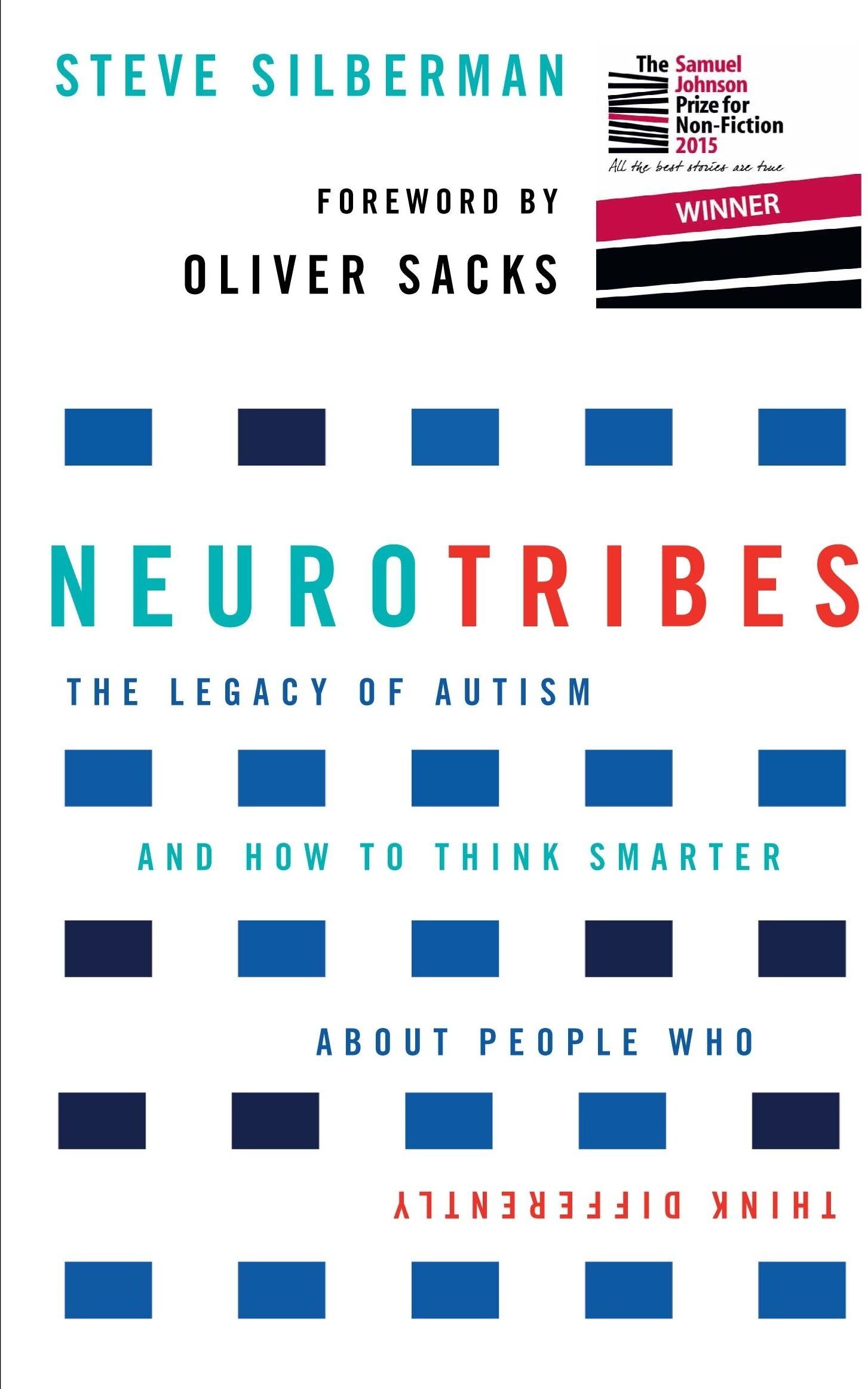
Allen and Unwin NeuroTribes: Winner of the Samuel Johnson Prize for NonfictionWhat is autism: a devastating developmental condition, a lifelong disability, or a naturally occurring form of cognitive difference akin to certain forms of genius? In truth, it is all of these things and more - and the future of our society depends on our understanding it. Following on from his groundbreaking article 'The Geek Syndrome', Wired reporter Steve Silberman unearths the secret history of autism, long suppressed by the same clinicians who became famous for discovering it, and finds surprising answers to the crucial question of why the number of diagnoses has soared in recent years. Going back to the earliest autism research and chronicling the brave and lonely journey of autistic people and their families through the decades, Silberman provides long-sought solutions to the autism puzzle while casting light on the growing movement of 'neurodiversity' and mapping out a path towards a more humane world for people with learning differences.7,95 £*Shipping: 2,99 £Secure redirect to the provider
-
Which language is worth learning?
The language that is worth learning depends on individual interests, career goals, and personal connections. Some popular languages like English, Spanish, Mandarin, and French can open up opportunities for communication, travel, and business around the world. However, learning a less commonly spoken language, such as Arabic, Russian, or Japanese, can also be valuable for niche career paths, cultural understanding, and unique travel experiences. Ultimately, the language that is worth learning is one that aligns with your goals and interests. **
-
What are the offerings in the learning areas of language and speaking and aesthetic education?
In the learning area of language and speaking, students are offered a variety of courses that focus on developing communication skills, such as public speaking, debate, and creative writing. These courses help students improve their ability to express themselves effectively and confidently. In aesthetic education, students have the opportunity to explore various forms of art, music, and theater. They can take classes in visual arts, music theory, dance, and drama, allowing them to appreciate and create art in different mediums. These offerings in both language and speaking and aesthetic education help students develop important skills in communication, creativity, and self-expression. **
-
What are the offerings in the learning areas of language and speech and aesthetic education?
In the learning area of language and speech, offerings typically include courses in linguistics, literature, communication, public speaking, and foreign languages. Students may also have the opportunity to participate in language immersion programs, language clubs, and writing workshops to enhance their language skills. In aesthetic education, offerings often include courses in art history, music appreciation, theater, dance, and visual arts. Students may engage in hands-on activities such as painting, sculpting, acting, or playing musical instruments to develop their artistic abilities. Aesthetic education also encourages critical thinking and creativity through the exploration of different forms of artistic expression. **
-
What is exaggerated body language in communication?
Exaggerated body language in communication refers to the use of overly dramatic or intense gestures, facial expressions, or movements to convey a message. This can include gestures that are larger or more pronounced than necessary, facial expressions that are exaggerated beyond what is typical, or movements that are overly theatrical. Exaggerated body language can sometimes be perceived as insincere or over-the-top, and may distract from the intended message. It is important to use body language that is authentic and appropriate to effectively communicate with others. **
* All prices are inclusive of VAT and, if applicable, plus shipping costs. The offer information is based on the details provided by the respective shop and is updated through automated processes. Real-time updates do not occur, so deviations can occur in individual cases. ** Note: Parts of this content were created by AI.