Buy eurolingvija.eu ?
We are moving the project
eurolingvija.eu .
Are you interested in purchasing the domain
eurolingvija.eu ?
domain@kv-gmbh.de · 0541-91531010
Buy eurolingvija.eu ?
Who is John Galt? Does Atlas shrug off the world?
John Galt is a fictional character in Ayn Rand's novel "Atlas Shrugged." He is a mysterious and enigmatic figure who is a symbol of individualism and the pursuit of one's own happiness. The phrase "Who is John Galt?" is a recurring question throughout the novel, representing the search for the truth and the identity of the man who represents the ultimate ideal of human achievement and independence. The phrase "Atlas shrugs off the world" refers to the idea that the most productive and innovative members of society, represented by Galt and his allies, withdraw their talents and efforts from a society that does not appreciate or value them, leading to the collapse of the world they once supported. **
What types of education programs are available for learning the Korean language?
There are various types of education programs available for learning the Korean language, including university courses, language schools, online courses, and self-study materials. Universities often offer Korean language courses as part of their language departments or East Asian studies programs. Language schools, both in South Korea and abroad, provide intensive language courses for learners of all levels. Online platforms and apps offer flexibility and convenience for self-paced learning. Additionally, there are textbooks, workbooks, and language exchange programs that can help individuals improve their Korean language skills. **

Similar search terms for Shrug
Top-Angebote
Products related to Shrug:




-
Is German culture identifiable beyond language?
Yes, German culture is identifiable beyond language. German culture is known for its rich history, traditions, and customs that are distinct from other cultures. From its famous Oktoberfest celebrations to its traditional folk music and dance, German culture is easily recognizable. Additionally, German cuisine, art, and architecture also play a significant role in shaping the country's cultural identity. Overall, German culture is identifiable through a variety of cultural elements beyond just the German language. **
-
Why does a culture of non-communication establish itself?
A culture of non-communication can establish itself for a variety of reasons. One common reason is fear of conflict or confrontation, which can lead people to avoid difficult conversations and instead choose to remain silent. Additionally, a lack of trust or a fear of judgment can also contribute to a culture of non-communication, as individuals may feel hesitant to share their thoughts and feelings. In some cases, organizational structures and hierarchies can also discourage open communication, leading to a culture of silence and non-disclosure. Overall, a culture of non-communication can develop when there is a lack of psychological safety and trust within a group or organization. **
-
Which language is worth learning?
The language that is worth learning depends on individual interests, career goals, and personal connections. Some popular languages like English, Spanish, Mandarin, and French can open up opportunities for communication, travel, and business around the world. However, learning a less commonly spoken language, such as Arabic, Russian, or Japanese, can also be valuable for niche career paths, cultural understanding, and unique travel experiences. Ultimately, the language that is worth learning is one that aligns with your goals and interests. **
-
What are the offerings in the learning areas of language and speaking and aesthetic education?
In the learning area of language and speaking, students are offered a variety of courses that focus on developing communication skills, such as public speaking, debate, and creative writing. These courses help students improve their ability to express themselves effectively and confidently. In aesthetic education, students have the opportunity to explore various forms of art, music, and theater. They can take classes in visual arts, music theory, dance, and drama, allowing them to appreciate and create art in different mediums. These offerings in both language and speaking and aesthetic education help students develop important skills in communication, creativity, and self-expression. **


What are the offerings in the learning areas of language and speech and aesthetic education?
In the learning area of language and speech, offerings typically include courses in linguistics, literature, communication, public speaking, and foreign languages. Students may also have the opportunity to participate in language immersion programs, language clubs, and writing workshops to enhance their language skills. In aesthetic education, offerings often include courses in art history, music appreciation, theater, dance, and visual arts. Students may engage in hands-on activities such as painting, sculpting, acting, or playing musical instruments to develop their artistic abilities. Aesthetic education also encourages critical thinking and creativity through the exploration of different forms of artistic expression. **
What is exaggerated body language in communication?
Exaggerated body language in communication refers to the use of overly dramatic or intense gestures, facial expressions, or movements to convey a message. This can include gestures that are larger or more pronounced than necessary, facial expressions that are exaggerated beyond what is typical, or movements that are overly theatrical. Exaggerated body language can sometimes be perceived as insincere or over-the-top, and may distract from the intended message. It is important to use body language that is authentic and appropriate to effectively communicate with others. **
Top-Angebote
Products related to Shrug:
-
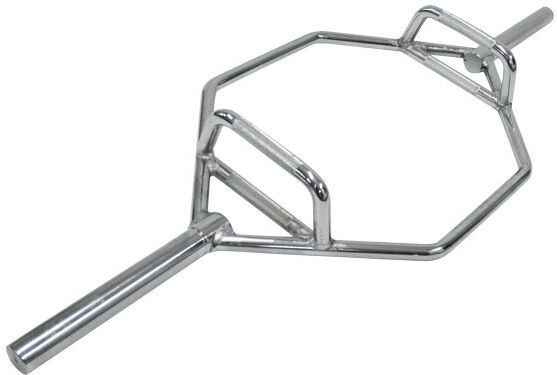
BodyMax 30kg 1.6m Olympic Shrug Trap BarThe BodyMax 1.6m Shrug Trap Bar is something no home gym or commercial fitness space should be without. This beautifully crafted piece of equipment is made to withstand the rigours of a busy commercial gym and help you achieve your fitness goals. Great for both novice and frequent gym users The...116,10 £*Shipping: 0,00 £Secure redirect to the provider
-
Who is John Galt? Does Atlas shrug off the world?
John Galt is a fictional character in Ayn Rand's novel "Atlas Shrugged." He is a mysterious and enigmatic figure who is a symbol of individualism and the pursuit of one's own happiness. The phrase "Who is John Galt?" is a recurring question throughout the novel, representing the search for the truth and the identity of the man who represents the ultimate ideal of human achievement and independence. The phrase "Atlas shrugs off the world" refers to the idea that the most productive and innovative members of society, represented by Galt and his allies, withdraw their talents and efforts from a society that does not appreciate or value them, leading to the collapse of the world they once supported. **
-
What types of education programs are available for learning the Korean language?
There are various types of education programs available for learning the Korean language, including university courses, language schools, online courses, and self-study materials. Universities often offer Korean language courses as part of their language departments or East Asian studies programs. Language schools, both in South Korea and abroad, provide intensive language courses for learners of all levels. Online platforms and apps offer flexibility and convenience for self-paced learning. Additionally, there are textbooks, workbooks, and language exchange programs that can help individuals improve their Korean language skills. **
-
Is German culture identifiable beyond language?
Yes, German culture is identifiable beyond language. German culture is known for its rich history, traditions, and customs that are distinct from other cultures. From its famous Oktoberfest celebrations to its traditional folk music and dance, German culture is easily recognizable. Additionally, German cuisine, art, and architecture also play a significant role in shaping the country's cultural identity. Overall, German culture is identifiable through a variety of cultural elements beyond just the German language. **
-
Why does a culture of non-communication establish itself?
A culture of non-communication can establish itself for a variety of reasons. One common reason is fear of conflict or confrontation, which can lead people to avoid difficult conversations and instead choose to remain silent. Additionally, a lack of trust or a fear of judgment can also contribute to a culture of non-communication, as individuals may feel hesitant to share their thoughts and feelings. In some cases, organizational structures and hierarchies can also discourage open communication, leading to a culture of silence and non-disclosure. Overall, a culture of non-communication can develop when there is a lack of psychological safety and trust within a group or organization. **
Similar search terms for Shrug
-
Which language is worth learning?
The language that is worth learning depends on individual interests, career goals, and personal connections. Some popular languages like English, Spanish, Mandarin, and French can open up opportunities for communication, travel, and business around the world. However, learning a less commonly spoken language, such as Arabic, Russian, or Japanese, can also be valuable for niche career paths, cultural understanding, and unique travel experiences. Ultimately, the language that is worth learning is one that aligns with your goals and interests. **
-
What are the offerings in the learning areas of language and speaking and aesthetic education?
In the learning area of language and speaking, students are offered a variety of courses that focus on developing communication skills, such as public speaking, debate, and creative writing. These courses help students improve their ability to express themselves effectively and confidently. In aesthetic education, students have the opportunity to explore various forms of art, music, and theater. They can take classes in visual arts, music theory, dance, and drama, allowing them to appreciate and create art in different mediums. These offerings in both language and speaking and aesthetic education help students develop important skills in communication, creativity, and self-expression. **
-
What are the offerings in the learning areas of language and speech and aesthetic education?
In the learning area of language and speech, offerings typically include courses in linguistics, literature, communication, public speaking, and foreign languages. Students may also have the opportunity to participate in language immersion programs, language clubs, and writing workshops to enhance their language skills. In aesthetic education, offerings often include courses in art history, music appreciation, theater, dance, and visual arts. Students may engage in hands-on activities such as painting, sculpting, acting, or playing musical instruments to develop their artistic abilities. Aesthetic education also encourages critical thinking and creativity through the exploration of different forms of artistic expression. **
-
What is exaggerated body language in communication?
Exaggerated body language in communication refers to the use of overly dramatic or intense gestures, facial expressions, or movements to convey a message. This can include gestures that are larger or more pronounced than necessary, facial expressions that are exaggerated beyond what is typical, or movements that are overly theatrical. Exaggerated body language can sometimes be perceived as insincere or over-the-top, and may distract from the intended message. It is important to use body language that is authentic and appropriate to effectively communicate with others. **
* All prices are inclusive of VAT and, if applicable, plus shipping costs. The offer information is based on the details provided by the respective shop and is updated through automated processes. Real-time updates do not occur, so deviations can occur in individual cases. ** Note: Parts of this content were created by AI.