Buy eurolingvija.eu ?
We are moving the project
eurolingvija.eu .
Are you interested in purchasing the domain
eurolingvija.eu ?
domain@kv-gmbh.de · 0541-91531010
Buy eurolingvija.eu ?
What is the connection between Buddhism, hair culture, and clothing?
Buddhism, hair culture, and clothing are interconnected through the concept of modesty and simplicity. In Buddhism, adherents often practice modesty and simplicity in their appearance, which can be reflected in their hair culture and clothing choices. For example, some Buddhist monks and nuns shave their heads as a symbol of renunciation of worldly attachments and to maintain simplicity. Additionally, Buddhist teachings emphasize the importance of modest and simple clothing, as a way to reduce attachment to material possessions and to promote humility. Overall, the connection between Buddhism, hair culture, and clothing lies in the shared values of modesty, simplicity, and detachment from worldly desires. **
What is the German translation of the term Buddhism?
The German translation of the term Buddhism is "Buddhismus." **


Similar search terms for Buddhism
Top-Angebote
Products related to Buddhism:
-
Perfect Picks Market Kids Emotional Expression Mirror Early Education & Emotional Learning Toy For Toddlers blueNurture your childs emotional intelligence with the Kids Emotional Expression Mirrora fun, interactive learning tool designed to help toddlers understand and manage their feelings. This innovative toy features six emotional expression cards and a...49,97 $*Shipping: 0,00 $Secure redirect to the provider
-
Tiny Tots Teens Trends Bright Color Montessori Wooden Toys, Adorable Caterpillar Puppet, KTV Adults, Kids Early Education Learning Toy For Boys Bright Color Montessori Wooden Toys, Adorable Caterpillar Puppet, KTV Adults, Kids Early Education Learning ToyEnhance Learning with Montessori Wooden Toys Introduce your child to the world of interactive learning with our Montessori Wooden Toys. Designed to stimulate both cognitive development and creativity, these toys are perfect for early education. The...44,97 $*Shipping: 0,00 $Secure redirect to the provider
-
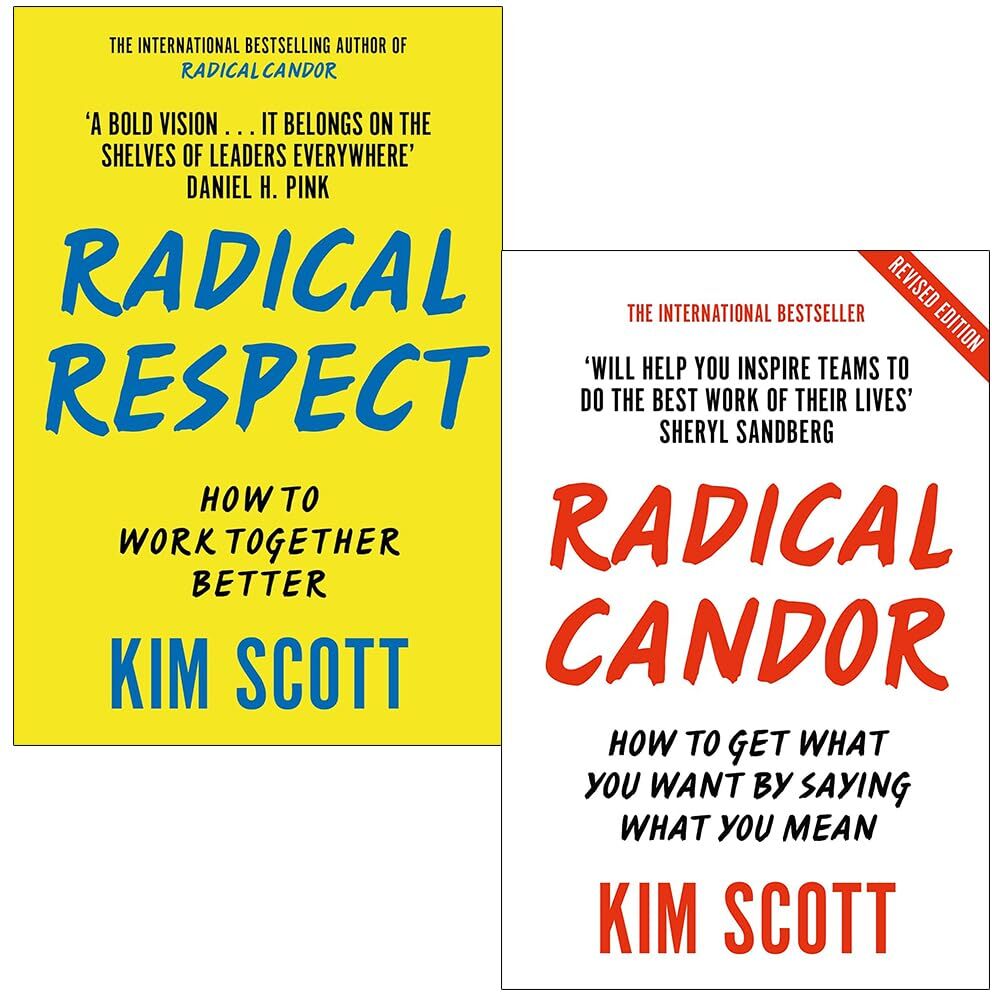
MACMILLAN Kim Scott Collection 2 Books Set Radical Respect & Radical Candor – Leadership, Communication & Workplace Culture GuidesThe Kim Scott Collection – 2 Books Set brings together two transformative leadership bestsellers: Radical Respect and Radical Candor. Written by acclaimed workplace expert Kim Scott, these books offer practical, honest, and empowering guidance for building stronger teams, better communication, and healthier workplace cultures. In Radical Candor, Scott introduces her now-famous framework:Care Personally + Challenge Directly.Learn how to deliver feedback effectively, build trust, and lead with clarity without becoming overly harsh or avoiding difficult conversations. In Radical Respect, Scott expands on inclusion, fairness, accountability and anti-bullying frameworks—showing readers how to build workplaces rooted in dignity, psychological safety, and genuine respect. Together, these books provide a complete roadmap for leaders, managers, HR teams and anyone who wants to communicate better, lead with courage, and create workplaces where people thrive.6,99 £*Shipping: 2,99 £Secure redirect to the provider
-
Inspire Select Wooden Montessori Fishing Toy Set Kids Number & Alphabet Learning Game For Early Education Training lettersMake learning fun and interactive with a playful educational experience. This Montessori fishing toy helps children develop essential skills while enjoying handson play. Designed for toddlers and young kids, this wooden learning toy combines...96,97 $*Shipping: 0,00 $Secure redirect to the provider



-
What are the differences between Buddhism and Tibetan Buddhism?
Buddhism is a broader religion that encompasses various traditions and schools, while Tibetan Buddhism is a specific branch of Buddhism that developed in Tibet. Tibetan Buddhism incorporates elements of Tibetan culture, such as rituals, deities, and practices like chanting and visualization. It also places a strong emphasis on the teachings of Tibetan Buddhist masters and the importance of the Dalai Lama. Additionally, Tibetan Buddhism includes unique practices such as the use of prayer flags, prayer wheels, and mandalas. **
-
What is the difference between Buddhism and Zen Buddhism?
Buddhism is a broader religion and philosophy that encompasses a variety of traditions and practices, while Zen Buddhism is a specific school or branch of Mahayana Buddhism that emphasizes meditation and direct experience of enlightenment. Zen Buddhism places a strong emphasis on the practice of meditation (zazen) as a means to achieve enlightenment, while traditional Buddhism incorporates a wider range of practices such as chanting, rituals, and study of Buddhist scriptures. Additionally, Zen Buddhism often focuses on the teachings of specific Zen masters and the importance of the teacher-student relationship in transmitting wisdom and insight. **
-
Is Buddhism illogical?
Buddhism is not inherently illogical. It is a complex and diverse belief system that encompasses a wide range of philosophical and ethical teachings. While some aspects of Buddhist doctrine may seem counterintuitive or difficult to understand from a Western perspective, they are based on a different cultural and philosophical framework. Many Buddhist teachings emphasize the importance of critical thinking and personal experience, and encourage followers to question and explore their beliefs. Ultimately, whether Buddhism is considered logical or not may depend on one's own perspective and understanding of its teachings. **
-
What is the difference between Zen Buddhism and regular Buddhism?
The main difference between Zen Buddhism and regular Buddhism lies in their approach to meditation and enlightenment. Zen Buddhism, which originated in China and later developed in Japan, emphasizes the practice of meditation (zazen) as the primary means to attain enlightenment. It focuses on direct experience and intuitive understanding, often through the guidance of a teacher. Regular Buddhism, on the other hand, encompasses a variety of traditions and practices, with meditation being just one of them. It places more emphasis on the study of scriptures, ethical conduct, and the development of wisdom and compassion. While both Zen Buddhism and regular Buddhism share the same core teachings of the Four Noble Truths and the Eightfold Path, their methods and emphasis on practice differ. **


What does Buddhism teach?
Buddhism teaches the Four Noble Truths, which are the truths of suffering, the cause of suffering, the end of suffering, and the path to the end of suffering. It also emphasizes the importance of mindfulness, compassion, and non-attachment. Buddhism teaches that all beings are interconnected and that the ultimate goal is to achieve enlightenment and liberation from the cycle of birth and death (samsara). **
What is Zen Buddhism?
Zen Buddhism is a school of Mahayana Buddhism that originated in China during the Tang dynasty and later spread to Japan. It emphasizes the practice of meditation (zazen) and the direct experience of enlightenment, or awakening. Zen teachings often focus on the concept of emptiness, impermanence, and the importance of living in the present moment. It is known for its minimalist approach, simplicity, and the use of paradoxical statements (koans) to provoke insight and break through conceptual thinking. **
Top-Angebote
Products related to Buddhism:
-
Perfect Picks Market Montessori Reusable Learning Cards Set For Kids Early Education Writing Practice Game Montessori Reusable Learning Cards Set For Kids Early Education Writing Practice GameTurn everyday learning into a fun, handson experience with these Montessori toys designed to spark curiosity and creativity. This engaging set of reusable cards helps young children build essential skills through play, making it perfect for early...39,97 $*Shipping: 0,00 $Secure redirect to the provider
-
Tiny Tots Teens Trends Drawer Game Early Education Montessori Wooden Pitch Ball Box Preschool Learning Training Toy Drawer Game Early Education Montessori Wooden Pitch Ball Box Preschool Learning Training ToyThis Montessori Wooden Pitch Ball Box Drawer Game is a thoughtfully designed earlyeducation toy that transforms playtime into purposeful learning. Crafted for toddlers and preschoolers, it offers a handson, engaging way to support key developmental...39,97 $*Shipping: 0,00 $Secure redirect to the provider
-
Perfect Picks Market Kids Emotional Expression Mirror Early Education & Emotional Learning Toy For Toddlers blueNurture your childs emotional intelligence with the Kids Emotional Expression Mirrora fun, interactive learning tool designed to help toddlers understand and manage their feelings. This innovative toy features six emotional expression cards and a...49,97 $*Shipping: 0,00 $Secure redirect to the provider
-
Tiny Tots Teens Trends Bright Color Montessori Wooden Toys, Adorable Caterpillar Puppet, KTV Adults, Kids Early Education Learning Toy For Boys Bright Color Montessori Wooden Toys, Adorable Caterpillar Puppet, KTV Adults, Kids Early Education Learning ToyEnhance Learning with Montessori Wooden Toys Introduce your child to the world of interactive learning with our Montessori Wooden Toys. Designed to stimulate both cognitive development and creativity, these toys are perfect for early education. The...44,97 $*Shipping: 0,00 $Secure redirect to the provider
-
What is the connection between Buddhism, hair culture, and clothing?
Buddhism, hair culture, and clothing are interconnected through the concept of modesty and simplicity. In Buddhism, adherents often practice modesty and simplicity in their appearance, which can be reflected in their hair culture and clothing choices. For example, some Buddhist monks and nuns shave their heads as a symbol of renunciation of worldly attachments and to maintain simplicity. Additionally, Buddhist teachings emphasize the importance of modest and simple clothing, as a way to reduce attachment to material possessions and to promote humility. Overall, the connection between Buddhism, hair culture, and clothing lies in the shared values of modesty, simplicity, and detachment from worldly desires. **
-
What is the German translation of the term Buddhism?
The German translation of the term Buddhism is "Buddhismus." **
-
What are the differences between Buddhism and Tibetan Buddhism?
Buddhism is a broader religion that encompasses various traditions and schools, while Tibetan Buddhism is a specific branch of Buddhism that developed in Tibet. Tibetan Buddhism incorporates elements of Tibetan culture, such as rituals, deities, and practices like chanting and visualization. It also places a strong emphasis on the teachings of Tibetan Buddhist masters and the importance of the Dalai Lama. Additionally, Tibetan Buddhism includes unique practices such as the use of prayer flags, prayer wheels, and mandalas. **
-
What is the difference between Buddhism and Zen Buddhism?
Buddhism is a broader religion and philosophy that encompasses a variety of traditions and practices, while Zen Buddhism is a specific school or branch of Mahayana Buddhism that emphasizes meditation and direct experience of enlightenment. Zen Buddhism places a strong emphasis on the practice of meditation (zazen) as a means to achieve enlightenment, while traditional Buddhism incorporates a wider range of practices such as chanting, rituals, and study of Buddhist scriptures. Additionally, Zen Buddhism often focuses on the teachings of specific Zen masters and the importance of the teacher-student relationship in transmitting wisdom and insight. **
Similar search terms for Buddhism
-
MACMILLAN Kim Scott Collection 2 Books Set Radical Respect & Radical Candor – Leadership, Communication & Workplace Culture GuidesThe Kim Scott Collection – 2 Books Set brings together two transformative leadership bestsellers: Radical Respect and Radical Candor. Written by acclaimed workplace expert Kim Scott, these books offer practical, honest, and empowering guidance for building stronger teams, better communication, and healthier workplace cultures. In Radical Candor, Scott introduces her now-famous framework:Care Personally + Challenge Directly.Learn how to deliver feedback effectively, build trust, and lead with clarity without becoming overly harsh or avoiding difficult conversations. In Radical Respect, Scott expands on inclusion, fairness, accountability and anti-bullying frameworks—showing readers how to build workplaces rooted in dignity, psychological safety, and genuine respect. Together, these books provide a complete roadmap for leaders, managers, HR teams and anyone who wants to communicate better, lead with courage, and create workplaces where people thrive.6,99 £*Shipping: 2,99 £Secure redirect to the provider
-
Inspire Select Wooden Montessori Fishing Toy Set Kids Number & Alphabet Learning Game For Early Education Training lettersMake learning fun and interactive with a playful educational experience. This Montessori fishing toy helps children develop essential skills while enjoying handson play. Designed for toddlers and young kids, this wooden learning toy combines...96,97 $*Shipping: 0,00 $Secure redirect to the provider
-
Inspired Deals Smart Dog Communication Button With Voice Recorder Pet Talking Trainer For Interactive Learning yellowMeet a smarter way to connect with your furry friend. This pet talking button lets dogs express needs like food, play, or outside time with a simple press. Designed for curious pets and engaged owners, it combines fun with practical training. The...39,97 $*Shipping: 0,00 $Secure redirect to the provider
-
Perfect Picks Market Kids Emotional Expression Mirror Early Education & Emotional Learning Toy For Toddlers pinkNurture your childs emotional intelligence with the Kids Emotional Expression Mirrora fun, interactive learning tool designed to help toddlers understand and manage their feelings. This innovative toy features six emotional expression cards and a...49,97 $*Shipping: 0,00 $Secure redirect to the provider
-
Is Buddhism illogical?
Buddhism is not inherently illogical. It is a complex and diverse belief system that encompasses a wide range of philosophical and ethical teachings. While some aspects of Buddhist doctrine may seem counterintuitive or difficult to understand from a Western perspective, they are based on a different cultural and philosophical framework. Many Buddhist teachings emphasize the importance of critical thinking and personal experience, and encourage followers to question and explore their beliefs. Ultimately, whether Buddhism is considered logical or not may depend on one's own perspective and understanding of its teachings. **
-
What is the difference between Zen Buddhism and regular Buddhism?
The main difference between Zen Buddhism and regular Buddhism lies in their approach to meditation and enlightenment. Zen Buddhism, which originated in China and later developed in Japan, emphasizes the practice of meditation (zazen) as the primary means to attain enlightenment. It focuses on direct experience and intuitive understanding, often through the guidance of a teacher. Regular Buddhism, on the other hand, encompasses a variety of traditions and practices, with meditation being just one of them. It places more emphasis on the study of scriptures, ethical conduct, and the development of wisdom and compassion. While both Zen Buddhism and regular Buddhism share the same core teachings of the Four Noble Truths and the Eightfold Path, their methods and emphasis on practice differ. **
-
What does Buddhism teach?
Buddhism teaches the Four Noble Truths, which are the truths of suffering, the cause of suffering, the end of suffering, and the path to the end of suffering. It also emphasizes the importance of mindfulness, compassion, and non-attachment. Buddhism teaches that all beings are interconnected and that the ultimate goal is to achieve enlightenment and liberation from the cycle of birth and death (samsara). **
-
What is Zen Buddhism?
Zen Buddhism is a school of Mahayana Buddhism that originated in China during the Tang dynasty and later spread to Japan. It emphasizes the practice of meditation (zazen) and the direct experience of enlightenment, or awakening. Zen teachings often focus on the concept of emptiness, impermanence, and the importance of living in the present moment. It is known for its minimalist approach, simplicity, and the use of paradoxical statements (koans) to provoke insight and break through conceptual thinking. **
* All prices are inclusive of VAT and, if applicable, plus shipping costs. The offer information is based on the details provided by the respective shop and is updated through automated processes. Real-time updates do not occur, so deviations can occur in individual cases. ** Note: Parts of this content were created by AI.