Buy eurolingvija.eu ?
We are moving the project
eurolingvija.eu .
Are you interested in purchasing the domain
eurolingvija.eu ?
domain@kv-gmbh.de · 0541-91531010
Buy eurolingvija.eu ?
What are compulsive disorders, obsessive thoughts, and compulsive actions?
Compulsive disorders are mental health conditions characterized by the presence of obsessive thoughts and compulsive actions. Obsessive thoughts are persistent, intrusive, and unwanted thoughts that cause distress or anxiety. Compulsive actions are repetitive behaviors or rituals that a person feels driven to perform in response to their obsessive thoughts, in order to alleviate the anxiety or distress. These disorders can significantly interfere with daily functioning and can be difficult to control without professional help. **
What is the difference between compulsive tidying and compulsive thinking?
Compulsive tidying is a behavior characterized by an overwhelming urge to constantly clean and organize one's surroundings, often to the point of excess. On the other hand, compulsive thinking involves persistent, intrusive thoughts that are difficult to control and can lead to anxiety or distress. While compulsive tidying is focused on physical actions and organization, compulsive thinking is centered around mental processes and can be more challenging to manage. Both can be symptoms of underlying mental health conditions, such as obsessive-compulsive disorder, but they manifest in different ways. **


Similar search terms for Compulsive
Top-Angebote
Products related to Compulsive:
-
Perfect Picks Market Kids Emotional Expression Mirror Early Education & Emotional Learning Toy For Toddlers pinkNurture your childs emotional intelligence with the Kids Emotional Expression Mirrora fun, interactive learning tool designed to help toddlers understand and manage their feelings. This innovative toy features six emotional expression cards and a...49,97 $*Shipping: 0,00 $Secure redirect to the provider
-
Tiny Tots Teens Trends Bright Color Montessori Wooden Toys, Adorable Caterpillar Puppet, KTV Adults, Kids Early Education Learning Toy For Boys Bright Color Montessori Wooden Toys, Adorable Caterpillar Puppet, KTV Adults, Kids Early Education Learning ToyEnhance Learning with Montessori Wooden Toys Introduce your child to the world of interactive learning with our Montessori Wooden Toys. Designed to stimulate both cognitive development and creativity, these toys are perfect for early education. The...44,97 $*Shipping: 0,00 $Secure redirect to the provider
-
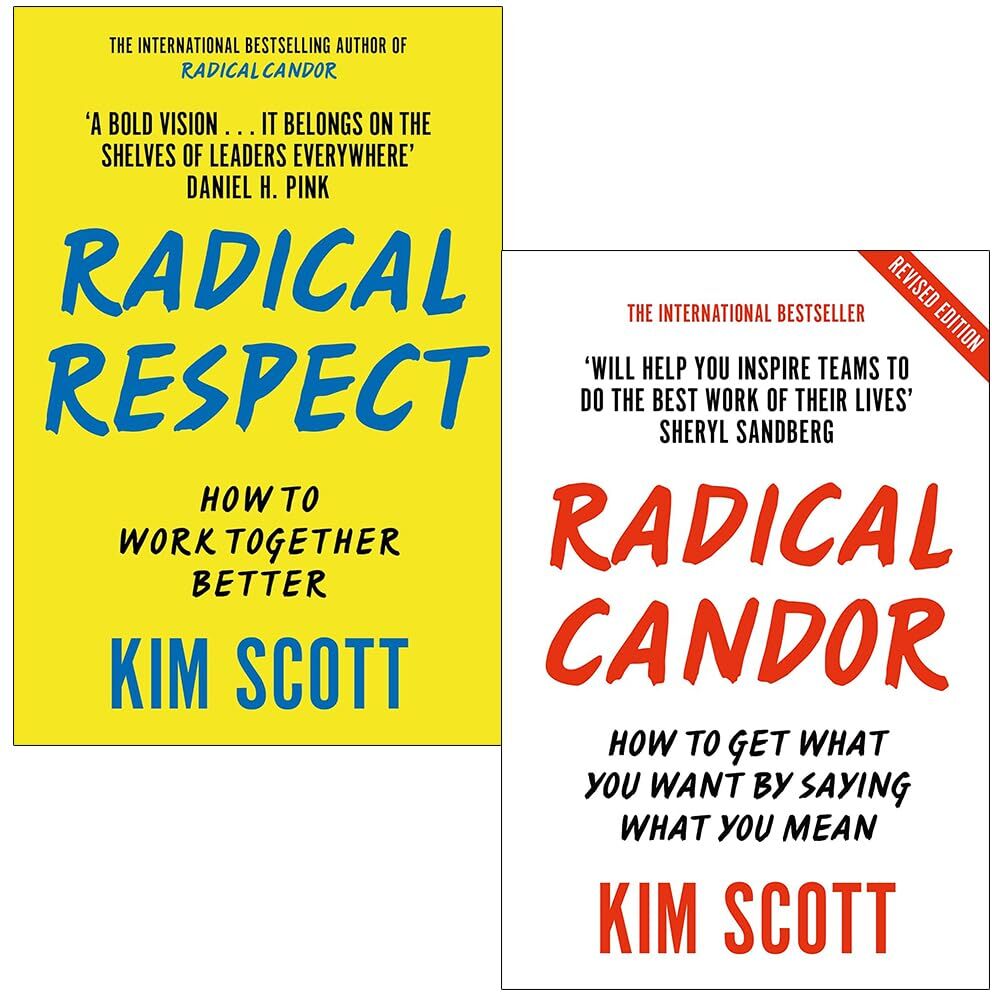
MACMILLAN Kim Scott Collection 2 Books Set Radical Respect & Radical Candor – Leadership, Communication & Workplace Culture GuidesThe Kim Scott Collection – 2 Books Set brings together two transformative leadership bestsellers: Radical Respect and Radical Candor. Written by acclaimed workplace expert Kim Scott, these books offer practical, honest, and empowering guidance for building stronger teams, better communication, and healthier workplace cultures. In Radical Candor, Scott introduces her now-famous framework:Care Personally + Challenge Directly.Learn how to deliver feedback effectively, build trust, and lead with clarity without becoming overly harsh or avoiding difficult conversations. In Radical Respect, Scott expands on inclusion, fairness, accountability and anti-bullying frameworks—showing readers how to build workplaces rooted in dignity, psychological safety, and genuine respect. Together, these books provide a complete roadmap for leaders, managers, HR teams and anyone who wants to communicate better, lead with courage, and create workplaces where people thrive.6,99 £*Shipping: 2,99 £Secure redirect to the provider
-
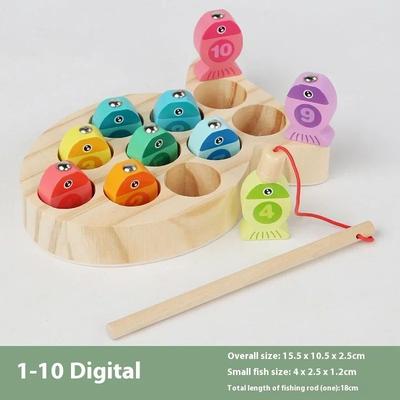
Inspire Select Wooden Montessori Fishing Toy Set Kids Number & Alphabet Learning Game For Early Education Training numbersMake learning fun and interactive with a playful educational experience. This Montessori fishing toy helps children develop essential skills while enjoying handson play. Designed for toddlers and young kids, this wooden learning toy combines...64,96 $*Shipping: 0,00 $Secure redirect to the provider


-
What is compulsive behavior?
Compulsive behavior refers to repetitive actions or rituals that a person feels driven to perform, often in response to an obsessive thought or to alleviate anxiety. These behaviors can interfere with daily life and may be difficult to control, despite the negative consequences they may bring. Compulsive behaviors are often associated with conditions such as obsessive-compulsive disorder (OCD) or addiction. Treatment for compulsive behavior typically involves therapy, medication, and lifestyle changes. **
-
What are compulsive impulses?
Compulsive impulses are strong, uncontrollable urges to engage in certain behaviors, often despite negative consequences. These impulses can be driven by a variety of factors, including anxiety, stress, or a desire for relief or pleasure. People with compulsive impulses may feel a sense of urgency or a lack of control over their actions, and may engage in repetitive behaviors in an attempt to alleviate their distress. Compulsive impulses can be a symptom of various mental health conditions, such as obsessive-compulsive disorder or impulse control disorders. **
-
How can the compulsive urge to laugh about the compulsive thoughts be explained?
The compulsive urge to laugh about compulsive thoughts can be explained as a coping mechanism or defense mechanism. When faced with distressing or intrusive thoughts, some individuals may feel the need to laugh as a way to release tension or to try to minimize the seriousness of the thoughts. This can also be a way to try to distance oneself from the thoughts and to avoid feeling overwhelmed by them. Additionally, laughing about the thoughts may be a way for some individuals to seek reassurance or validation from others, as they may hope that by laughing, others will also find the thoughts less serious or distressing. **
-
What are compulsive self-talks?
Compulsive self-talks are repetitive, negative thoughts or phrases that individuals constantly repeat to themselves. These thoughts are often irrational, self-critical, or destructive in nature, and can lead to feelings of anxiety, depression, or low self-esteem. Compulsive self-talks can be difficult to control and can significantly impact a person's mental well-being and overall quality of life. Therapy, mindfulness techniques, and cognitive-behavioral strategies can be helpful in managing and reducing compulsive self-talks. **

Is this a compulsive behavior?
Yes, the behavior described in the previous message could be considered compulsive. Compulsive behaviors are repetitive actions that a person feels driven to perform, often in response to an obsessive thought or to alleviate anxiety. In this case, the individual is engaging in a behavior (checking the door multiple times) in response to a fear (that the door is not locked), which is a common characteristic of compulsive behavior. If this behavior is interfering with the person's daily life or causing distress, it may be worth seeking help from a mental health professional. **
What is compulsive hand washing?
Compulsive hand washing is a behavior characterized by an overwhelming urge to repeatedly wash one's hands, often to the point of causing physical harm. This behavior is often driven by obsessive thoughts about contamination or germs, and the individual may feel intense anxiety or distress if they do not wash their hands. Compulsive hand washing is a common symptom of obsessive-compulsive disorder (OCD) and can significantly interfere with daily functioning. Treatment typically involves therapy, medication, or a combination of both to help manage the symptoms. **
Top-Angebote
Products related to Compulsive:
-
Perfect Picks Market Montessori Reusable Learning Cards Set For Kids Early Education Writing Practice Game Montessori Reusable Learning Cards Set For Kids Early Education Writing Practice GameTurn everyday learning into a fun, handson experience with these Montessori toys designed to spark curiosity and creativity. This engaging set of reusable cards helps young children build essential skills through play, making it perfect for early...39,97 $*Shipping: 0,00 $Secure redirect to the provider
-
Tiny Tots Teens Trends Drawer Game Early Education Montessori Wooden Pitch Ball Box Preschool Learning Training Toy Drawer Game Early Education Montessori Wooden Pitch Ball Box Preschool Learning Training ToyThis Montessori Wooden Pitch Ball Box Drawer Game is a thoughtfully designed earlyeducation toy that transforms playtime into purposeful learning. Crafted for toddlers and preschoolers, it offers a handson, engaging way to support key developmental...39,97 $*Shipping: 0,00 $Secure redirect to the provider
-
Perfect Picks Market Kids Emotional Expression Mirror Early Education & Emotional Learning Toy For Toddlers pinkNurture your childs emotional intelligence with the Kids Emotional Expression Mirrora fun, interactive learning tool designed to help toddlers understand and manage their feelings. This innovative toy features six emotional expression cards and a...49,97 $*Shipping: 0,00 $Secure redirect to the provider
-
Tiny Tots Teens Trends Bright Color Montessori Wooden Toys, Adorable Caterpillar Puppet, KTV Adults, Kids Early Education Learning Toy For Boys Bright Color Montessori Wooden Toys, Adorable Caterpillar Puppet, KTV Adults, Kids Early Education Learning ToyEnhance Learning with Montessori Wooden Toys Introduce your child to the world of interactive learning with our Montessori Wooden Toys. Designed to stimulate both cognitive development and creativity, these toys are perfect for early education. The...44,97 $*Shipping: 0,00 $Secure redirect to the provider
-
What are compulsive disorders, obsessive thoughts, and compulsive actions?
Compulsive disorders are mental health conditions characterized by the presence of obsessive thoughts and compulsive actions. Obsessive thoughts are persistent, intrusive, and unwanted thoughts that cause distress or anxiety. Compulsive actions are repetitive behaviors or rituals that a person feels driven to perform in response to their obsessive thoughts, in order to alleviate the anxiety or distress. These disorders can significantly interfere with daily functioning and can be difficult to control without professional help. **
-
What is the difference between compulsive tidying and compulsive thinking?
Compulsive tidying is a behavior characterized by an overwhelming urge to constantly clean and organize one's surroundings, often to the point of excess. On the other hand, compulsive thinking involves persistent, intrusive thoughts that are difficult to control and can lead to anxiety or distress. While compulsive tidying is focused on physical actions and organization, compulsive thinking is centered around mental processes and can be more challenging to manage. Both can be symptoms of underlying mental health conditions, such as obsessive-compulsive disorder, but they manifest in different ways. **
-
What is compulsive behavior?
Compulsive behavior refers to repetitive actions or rituals that a person feels driven to perform, often in response to an obsessive thought or to alleviate anxiety. These behaviors can interfere with daily life and may be difficult to control, despite the negative consequences they may bring. Compulsive behaviors are often associated with conditions such as obsessive-compulsive disorder (OCD) or addiction. Treatment for compulsive behavior typically involves therapy, medication, and lifestyle changes. **
-
What are compulsive impulses?
Compulsive impulses are strong, uncontrollable urges to engage in certain behaviors, often despite negative consequences. These impulses can be driven by a variety of factors, including anxiety, stress, or a desire for relief or pleasure. People with compulsive impulses may feel a sense of urgency or a lack of control over their actions, and may engage in repetitive behaviors in an attempt to alleviate their distress. Compulsive impulses can be a symptom of various mental health conditions, such as obsessive-compulsive disorder or impulse control disorders. **
Similar search terms for Compulsive
-
MACMILLAN Kim Scott Collection 2 Books Set Radical Respect & Radical Candor – Leadership, Communication & Workplace Culture GuidesThe Kim Scott Collection – 2 Books Set brings together two transformative leadership bestsellers: Radical Respect and Radical Candor. Written by acclaimed workplace expert Kim Scott, these books offer practical, honest, and empowering guidance for building stronger teams, better communication, and healthier workplace cultures. In Radical Candor, Scott introduces her now-famous framework:Care Personally + Challenge Directly.Learn how to deliver feedback effectively, build trust, and lead with clarity without becoming overly harsh or avoiding difficult conversations. In Radical Respect, Scott expands on inclusion, fairness, accountability and anti-bullying frameworks—showing readers how to build workplaces rooted in dignity, psychological safety, and genuine respect. Together, these books provide a complete roadmap for leaders, managers, HR teams and anyone who wants to communicate better, lead with courage, and create workplaces where people thrive.6,99 £*Shipping: 2,99 £Secure redirect to the provider
-
Inspire Select Wooden Montessori Fishing Toy Set Kids Number & Alphabet Learning Game For Early Education Training numbersMake learning fun and interactive with a playful educational experience. This Montessori fishing toy helps children develop essential skills while enjoying handson play. Designed for toddlers and young kids, this wooden learning toy combines...64,96 $*Shipping: 0,00 $Secure redirect to the provider
-
Inspired Deals Smart Dog Communication Button With Voice Recorder Pet Talking Trainer For Interactive Learning pinkMeet a smarter way to connect with your furry friend. This pet talking button lets dogs express needs like food, play, or outside time with a simple press. Designed for curious pets and engaged owners, it combines fun with practical training. The...39,97 $*Shipping: 0,00 $Secure redirect to the provider
-
Perfect Picks Market Kids Emotional Expression Mirror Early Education & Emotional Learning Toy For Toddlers blueNurture your childs emotional intelligence with the Kids Emotional Expression Mirrora fun, interactive learning tool designed to help toddlers understand and manage their feelings. This innovative toy features six emotional expression cards and a...49,97 $*Shipping: 0,00 $Secure redirect to the provider
-
How can the compulsive urge to laugh about the compulsive thoughts be explained?
The compulsive urge to laugh about compulsive thoughts can be explained as a coping mechanism or defense mechanism. When faced with distressing or intrusive thoughts, some individuals may feel the need to laugh as a way to release tension or to try to minimize the seriousness of the thoughts. This can also be a way to try to distance oneself from the thoughts and to avoid feeling overwhelmed by them. Additionally, laughing about the thoughts may be a way for some individuals to seek reassurance or validation from others, as they may hope that by laughing, others will also find the thoughts less serious or distressing. **
-
What are compulsive self-talks?
Compulsive self-talks are repetitive, negative thoughts or phrases that individuals constantly repeat to themselves. These thoughts are often irrational, self-critical, or destructive in nature, and can lead to feelings of anxiety, depression, or low self-esteem. Compulsive self-talks can be difficult to control and can significantly impact a person's mental well-being and overall quality of life. Therapy, mindfulness techniques, and cognitive-behavioral strategies can be helpful in managing and reducing compulsive self-talks. **
-
Is this a compulsive behavior?
Yes, the behavior described in the previous message could be considered compulsive. Compulsive behaviors are repetitive actions that a person feels driven to perform, often in response to an obsessive thought or to alleviate anxiety. In this case, the individual is engaging in a behavior (checking the door multiple times) in response to a fear (that the door is not locked), which is a common characteristic of compulsive behavior. If this behavior is interfering with the person's daily life or causing distress, it may be worth seeking help from a mental health professional. **
-
What is compulsive hand washing?
Compulsive hand washing is a behavior characterized by an overwhelming urge to repeatedly wash one's hands, often to the point of causing physical harm. This behavior is often driven by obsessive thoughts about contamination or germs, and the individual may feel intense anxiety or distress if they do not wash their hands. Compulsive hand washing is a common symptom of obsessive-compulsive disorder (OCD) and can significantly interfere with daily functioning. Treatment typically involves therapy, medication, or a combination of both to help manage the symptoms. **
* All prices are inclusive of VAT and, if applicable, plus shipping costs. The offer information is based on the details provided by the respective shop and is updated through automated processes. Real-time updates do not occur, so deviations can occur in individual cases. ** Note: Parts of this content were created by AI.