Buy eurolingvija.eu ?
We are moving the project
eurolingvija.eu .
Are you interested in purchasing the domain
eurolingvija.eu ?
domain@kv-gmbh.de · 0541-91531010
Buy eurolingvija.eu ?
Is the short story fictional or non-fictional?
The short story is fictional. It is a work of fiction that tells a made-up story, often involving characters, events, and settings that are not real. Fictional stories are created by the author's imagination and are not based on real events or people. **
Why does it seem that there is only one language and culture for each fictional species?
In fiction, having one language and culture for each species helps to create a clear and distinct identity for that species, making them easily recognizable and memorable to the audience. It also simplifies world-building for the author, as it allows them to focus on developing a single cohesive culture and language for that species. Additionally, having a singular language and culture for each species can serve as a narrative device to emphasize the differences between different species and highlight the diversity of the fictional world. **

Similar search terms for Fictional
Top-Angebote
Products related to Fictional:
-
Tiny Tots Teens Trends Drawer Game Early Education Montessori Wooden Pitch Ball Box Preschool Learning Training Toy Drawer Game Early Education Montessori Wooden Pitch Ball Box Preschool Learning Training ToyThis Montessori Wooden Pitch Ball Box Drawer Game is a thoughtfully designed earlyeducation toy that transforms playtime into purposeful learning. Crafted for toddlers and preschoolers, it offers a handson, engaging way to support key developmental...39,97 $*Shipping: 0,00 $Secure redirect to the provider
-
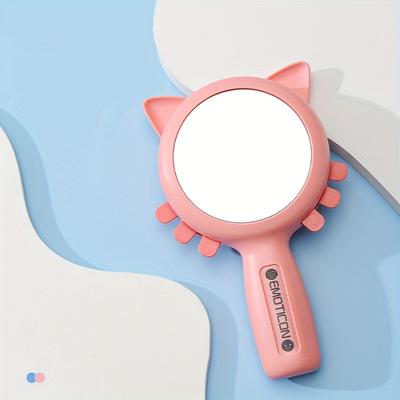
Perfect Picks Market Kids Emotional Expression Mirror Early Education & Emotional Learning Toy For Toddlers pinkNurture your childs emotional intelligence with the Kids Emotional Expression Mirrora fun, interactive learning tool designed to help toddlers understand and manage their feelings. This innovative toy features six emotional expression cards and a...49,97 $*Shipping: 0,00 $Secure redirect to the provider
-
Tiny Tots Teens Trends Bright Color Montessori Wooden Toys, Adorable Caterpillar Puppet, KTV Adults, Kids Early Education Learning Toy For Boys Bright Color Montessori Wooden Toys, Adorable Caterpillar Puppet, KTV Adults, Kids Early Education Learning ToyEnhance Learning with Montessori Wooden Toys Introduce your child to the world of interactive learning with our Montessori Wooden Toys. Designed to stimulate both cognitive development and creativity, these toys are perfect for early education. The...44,97 $*Shipping: 0,00 $Secure redirect to the provider
-
Basic Fun K'NEX Education Maker Kit Large 863-Piece Construction Set for STEAM Learning and BuildingGive young makers the freedom to invent, experiment, and build with the K'NEX Education Maker Kit Large. This substantial construction set contains 863 classic K'NEX pieces, including colorful rods, connectors, wheels, gears, and other components for creating a wide variety of models. Designed for open-ended exploration, the kit encourages children to think like engineers as they test structures, investigate movement, and develop their own designs. The included 64-page ideas booklet provides inspiration for up to 100 different models, while the versatile parts can also be used for imaginative free-building beyond the suggested projects. The large set is suitable for collaborative learning, with enough material for up to 12 children to work together on creative STEAM activities. It can support lessons and activities involving science, technology, engineering, and mathematics while helping to develop problem-solving, spatial awareness, hand-eye coordination, and fine motor skills.71,69 £*Shipping: 0,00 £Secure redirect to the provider



-
Why does it seem that there is only one language and culture for every fictional species?
It may seem that way because authors often create fictional species based on their own cultural and linguistic backgrounds. This can lead to a lack of diversity in the portrayal of different species in fiction. Additionally, it may be easier for authors to create a single language and culture for a fictional species in order to simplify the storytelling process and make it more accessible to readers. However, there is a growing recognition of the need for more diverse and nuanced representation of fictional species in literature, which is leading to more varied and complex depictions of languages and cultures within these species. **
-
What is the difference between fictional and non-fictional texts?
Fictional texts are narratives that are created from the author's imagination and are not based on real events or people. They often include elements of storytelling, such as characters, plot, and setting. Non-fictional texts, on the other hand, are based on real events, people, and information. They are meant to inform or educate the reader about a particular topic, and are often written in a more straightforward and factual style. Overall, the key difference between the two is that fictional texts are made-up stories, while non-fictional texts are based on real-life events and information. **
-
What language is spoken in the fictional state of Panem?
In the fictional state of Panem, the main language spoken is English. This is evident in the popular book and film series "The Hunger Games" by Suzanne Collins, where the characters communicate in English throughout the story. The use of English in Panem reflects the language's widespread usage in the real world and makes the story accessible to a global audience. **
-
What are fictional places?
Fictional places are locations that are created within works of fiction, such as books, movies, or television shows. These places do not exist in the real world, but are imagined by the author or creator of the work. They can range from fantastical realms like Narnia or Middle-earth to more realistic settings like the town of Maycomb in "To Kill a Mockingbird." Fictional places serve as the backdrop for the story and often play a significant role in shaping the narrative and the characters' experiences. **

What are fictional elements?
Fictional elements are the imaginative and made-up components that contribute to the creation of a fictional story or world. These elements can include characters, settings, events, and objects that do not exist in reality but are essential to the narrative. Fictional elements allow authors to create unique and captivating stories that transport readers to new and fantastical worlds. They are a key aspect of fiction and play a crucial role in engaging the audience and bringing the story to life. **
What are some name ideas for a fictional country and a fictional city?
For a fictional country, some name ideas could be "Aurora" to evoke a sense of beauty and wonder, "Veridian" to convey a lush, green landscape, or "Novaria" to suggest a new and innovative society. For a fictional city, names like "Elysium" could imply a paradise-like setting, "Havenbrook" to suggest a safe and welcoming community, or "Aurelia" to convey a sense of prosperity and golden opportunities. These names can help set the tone and atmosphere for the fictional world you are creating. **
Top-Angebote
Products related to Fictional:
-
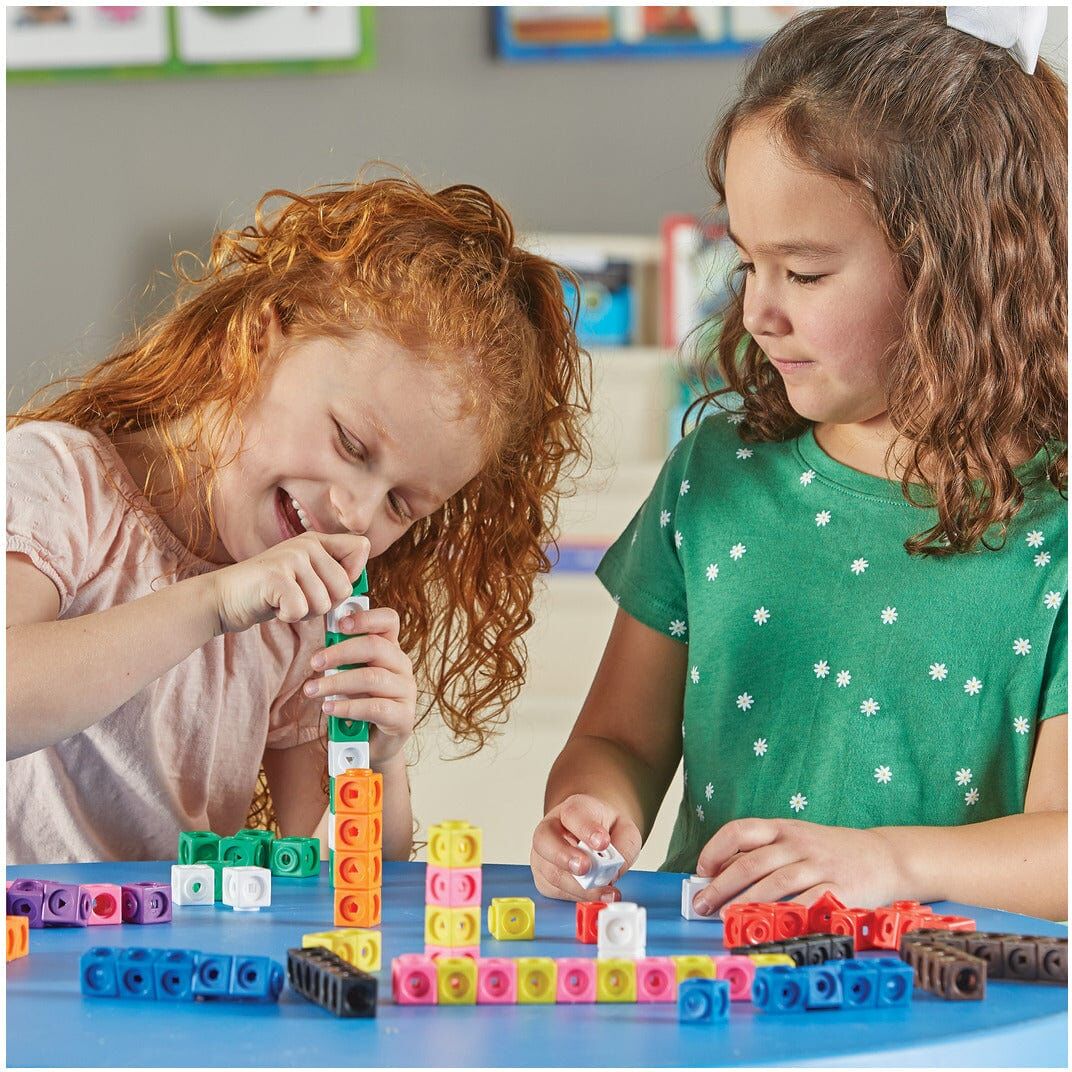
Learning Resources MathLink Cubes Set of 100 for Learning, 100 Colorful Cubes, STEM Education, Ages 3+Discover the joy of learning with the Learning Resources MathLink Cubes Set of 100. This vibrant set of interlocking cubes is perfect for hands-on math exploration, making it an excellent choice for both home and classroom settings. Each cube is designed for little hands, encouraging children to develop essential skills in counting, addition, subtraction, and early geometry. The set includes 100 colorful MathLink cubes that easily connect and disconnect, ideal for interactive learning and imaginative play. It supports STEM education and develops fine motor skills. The set also comes with activity ideas to keep children engaged. These cubes are suitable for collaborative play, letting kids work together to solve problems and build projects.10,69 £*Shipping: 1,99 £Secure redirect to the provider
-
Perfect Picks Market Montessori Reusable Learning Cards Set For Kids Early Education Writing Practice Game Montessori Reusable Learning Cards Set For Kids Early Education Writing Practice GameTurn everyday learning into a fun, handson experience with these Montessori toys designed to spark curiosity and creativity. This engaging set of reusable cards helps young children build essential skills through play, making it perfect for early...39,97 $*Shipping: 0,00 $Secure redirect to the provider
-
Tiny Tots Teens Trends Drawer Game Early Education Montessori Wooden Pitch Ball Box Preschool Learning Training Toy Drawer Game Early Education Montessori Wooden Pitch Ball Box Preschool Learning Training ToyThis Montessori Wooden Pitch Ball Box Drawer Game is a thoughtfully designed earlyeducation toy that transforms playtime into purposeful learning. Crafted for toddlers and preschoolers, it offers a handson, engaging way to support key developmental...39,97 $*Shipping: 0,00 $Secure redirect to the provider
-
Perfect Picks Market Kids Emotional Expression Mirror Early Education & Emotional Learning Toy For Toddlers pinkNurture your childs emotional intelligence with the Kids Emotional Expression Mirrora fun, interactive learning tool designed to help toddlers understand and manage their feelings. This innovative toy features six emotional expression cards and a...49,97 $*Shipping: 0,00 $Secure redirect to the provider
-
Is the short story fictional or non-fictional?
The short story is fictional. It is a work of fiction that tells a made-up story, often involving characters, events, and settings that are not real. Fictional stories are created by the author's imagination and are not based on real events or people. **
-
Why does it seem that there is only one language and culture for each fictional species?
In fiction, having one language and culture for each species helps to create a clear and distinct identity for that species, making them easily recognizable and memorable to the audience. It also simplifies world-building for the author, as it allows them to focus on developing a single cohesive culture and language for that species. Additionally, having a singular language and culture for each species can serve as a narrative device to emphasize the differences between different species and highlight the diversity of the fictional world. **
-
Why does it seem that there is only one language and culture for every fictional species?
It may seem that way because authors often create fictional species based on their own cultural and linguistic backgrounds. This can lead to a lack of diversity in the portrayal of different species in fiction. Additionally, it may be easier for authors to create a single language and culture for a fictional species in order to simplify the storytelling process and make it more accessible to readers. However, there is a growing recognition of the need for more diverse and nuanced representation of fictional species in literature, which is leading to more varied and complex depictions of languages and cultures within these species. **
-
What is the difference between fictional and non-fictional texts?
Fictional texts are narratives that are created from the author's imagination and are not based on real events or people. They often include elements of storytelling, such as characters, plot, and setting. Non-fictional texts, on the other hand, are based on real events, people, and information. They are meant to inform or educate the reader about a particular topic, and are often written in a more straightforward and factual style. Overall, the key difference between the two is that fictional texts are made-up stories, while non-fictional texts are based on real-life events and information. **
Similar search terms for Fictional
-
Tiny Tots Teens Trends Bright Color Montessori Wooden Toys, Adorable Caterpillar Puppet, KTV Adults, Kids Early Education Learning Toy For Boys Bright Color Montessori Wooden Toys, Adorable Caterpillar Puppet, KTV Adults, Kids Early Education Learning ToyEnhance Learning with Montessori Wooden Toys Introduce your child to the world of interactive learning with our Montessori Wooden Toys. Designed to stimulate both cognitive development and creativity, these toys are perfect for early education. The...44,97 $*Shipping: 0,00 $Secure redirect to the provider
-
Basic Fun K'NEX Education Maker Kit Large 863-Piece Construction Set for STEAM Learning and BuildingGive young makers the freedom to invent, experiment, and build with the K'NEX Education Maker Kit Large. This substantial construction set contains 863 classic K'NEX pieces, including colorful rods, connectors, wheels, gears, and other components for creating a wide variety of models. Designed for open-ended exploration, the kit encourages children to think like engineers as they test structures, investigate movement, and develop their own designs. The included 64-page ideas booklet provides inspiration for up to 100 different models, while the versatile parts can also be used for imaginative free-building beyond the suggested projects. The large set is suitable for collaborative learning, with enough material for up to 12 children to work together on creative STEAM activities. It can support lessons and activities involving science, technology, engineering, and mathematics while helping to develop problem-solving, spatial awareness, hand-eye coordination, and fine motor skills.71,69 £*Shipping: 0,00 £Secure redirect to the provider
-
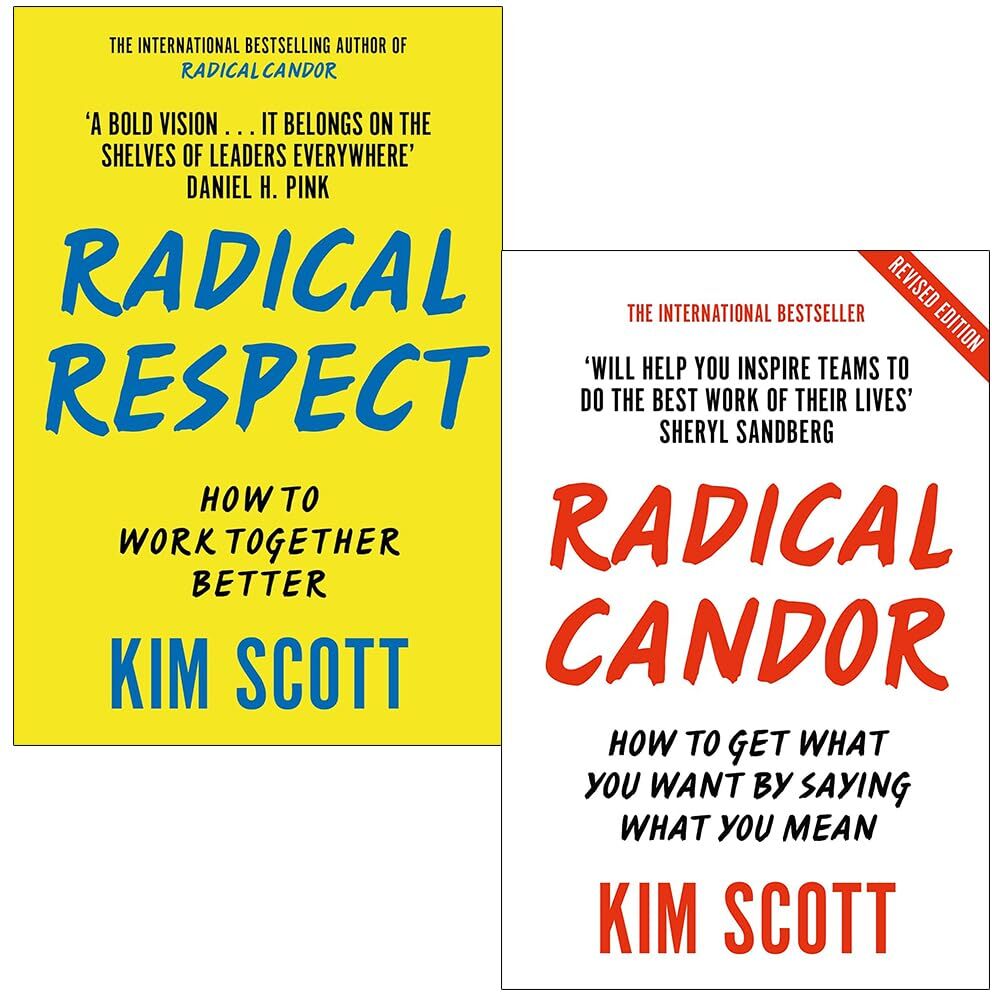
MACMILLAN Kim Scott Collection 2 Books Set Radical Respect & Radical Candor – Leadership, Communication & Workplace Culture GuidesThe Kim Scott Collection – 2 Books Set brings together two transformative leadership bestsellers: Radical Respect and Radical Candor. Written by acclaimed workplace expert Kim Scott, these books offer practical, honest, and empowering guidance for building stronger teams, better communication, and healthier workplace cultures. In Radical Candor, Scott introduces her now-famous framework:Care Personally + Challenge Directly.Learn how to deliver feedback effectively, build trust, and lead with clarity without becoming overly harsh or avoiding difficult conversations. In Radical Respect, Scott expands on inclusion, fairness, accountability and anti-bullying frameworks—showing readers how to build workplaces rooted in dignity, psychological safety, and genuine respect. Together, these books provide a complete roadmap for leaders, managers, HR teams and anyone who wants to communicate better, lead with courage, and create workplaces where people thrive.6,99 £*Shipping: 2,99 £Secure redirect to the provider
-
Various Publishers What Every BODY Is Saying & Related Reads 3 Book Paperback Set - Joe Navarro, Marvin Karlins & Dale Carnegie - Body Language, CommunicationThis three-book paperback bundle brings together practical guidance on body language, confident speaking, and building genuine relationships. Anchored by former FBI agent Joe Navarro's landmark work on nonverbal cues, the set pairs behavioral science with communication and connection-building advice inspired by classic self-help thinking. It's suitable for professionals, students, and anyone who wants to read people more accurately, speak with greater authority, and form stronger personal and workplace bonds using simple, repeatable techniques. The bundle includes 'What Every BODY Is Saying', 'Talk Smart, Lead Strong', and 'Unlocking Connections', all written by experts in their fields and published by William Morrow Paperbacks and Rupa Publications.11,99 £*Shipping: 2,99 £Secure redirect to the provider
-
What language is spoken in the fictional state of Panem?
In the fictional state of Panem, the main language spoken is English. This is evident in the popular book and film series "The Hunger Games" by Suzanne Collins, where the characters communicate in English throughout the story. The use of English in Panem reflects the language's widespread usage in the real world and makes the story accessible to a global audience. **
-
What are fictional places?
Fictional places are locations that are created within works of fiction, such as books, movies, or television shows. These places do not exist in the real world, but are imagined by the author or creator of the work. They can range from fantastical realms like Narnia or Middle-earth to more realistic settings like the town of Maycomb in "To Kill a Mockingbird." Fictional places serve as the backdrop for the story and often play a significant role in shaping the narrative and the characters' experiences. **
-
What are fictional elements?
Fictional elements are the imaginative and made-up components that contribute to the creation of a fictional story or world. These elements can include characters, settings, events, and objects that do not exist in reality but are essential to the narrative. Fictional elements allow authors to create unique and captivating stories that transport readers to new and fantastical worlds. They are a key aspect of fiction and play a crucial role in engaging the audience and bringing the story to life. **
-
What are some name ideas for a fictional country and a fictional city?
For a fictional country, some name ideas could be "Aurora" to evoke a sense of beauty and wonder, "Veridian" to convey a lush, green landscape, or "Novaria" to suggest a new and innovative society. For a fictional city, names like "Elysium" could imply a paradise-like setting, "Havenbrook" to suggest a safe and welcoming community, or "Aurelia" to convey a sense of prosperity and golden opportunities. These names can help set the tone and atmosphere for the fictional world you are creating. **
* All prices are inclusive of VAT and, if applicable, plus shipping costs. The offer information is based on the details provided by the respective shop and is updated through automated processes. Real-time updates do not occur, so deviations can occur in individual cases. ** Note: Parts of this content were created by AI.