Buy eurolingvija.eu ?
We are moving the project
eurolingvija.eu .
Are you interested in purchasing the domain
eurolingvija.eu ?
domain@kv-gmbh.de · 0541-91531010
Buy eurolingvija.eu ?
What is her informal language?
Her informal language is casual, relaxed, and conversational. It may include slang, contractions, and colloquial expressions. This type of language is typically used in everyday conversations with friends, family, or in informal settings. **
What does formal and informal communication mean?
Formal communication refers to official communication channels within an organization, such as emails, memos, or official meetings. It follows a specific structure and is used for professional purposes. On the other hand, informal communication is more casual and spontaneous, often occurring between colleagues during breaks or social gatherings. It is not bound by specific rules and can help build relationships and foster a sense of camaraderie among team members. **


Similar search terms for Informal
Top-Angebote
Products related to Informal:
-
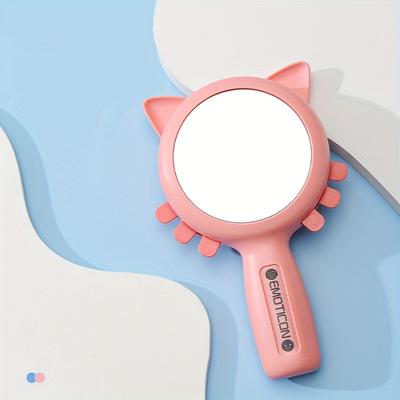
Perfect Picks Market Kids Emotional Expression Mirror Early Education & Emotional Learning Toy For Toddlers pinkNurture your childs emotional intelligence with the Kids Emotional Expression Mirrora fun, interactive learning tool designed to help toddlers understand and manage their feelings. This innovative toy features six emotional expression cards and a...49,97 $*Shipping: 0,00 $Secure redirect to the provider
-
Tiny Tots Teens Trends Bright Color Montessori Wooden Toys, Adorable Caterpillar Puppet, KTV Adults, Kids Early Education Learning Toy For Boys Bright Color Montessori Wooden Toys, Adorable Caterpillar Puppet, KTV Adults, Kids Early Education Learning ToyEnhance Learning with Montessori Wooden Toys Introduce your child to the world of interactive learning with our Montessori Wooden Toys. Designed to stimulate both cognitive development and creativity, these toys are perfect for early education. The...44,97 $*Shipping: 0,00 $Secure redirect to the provider
-
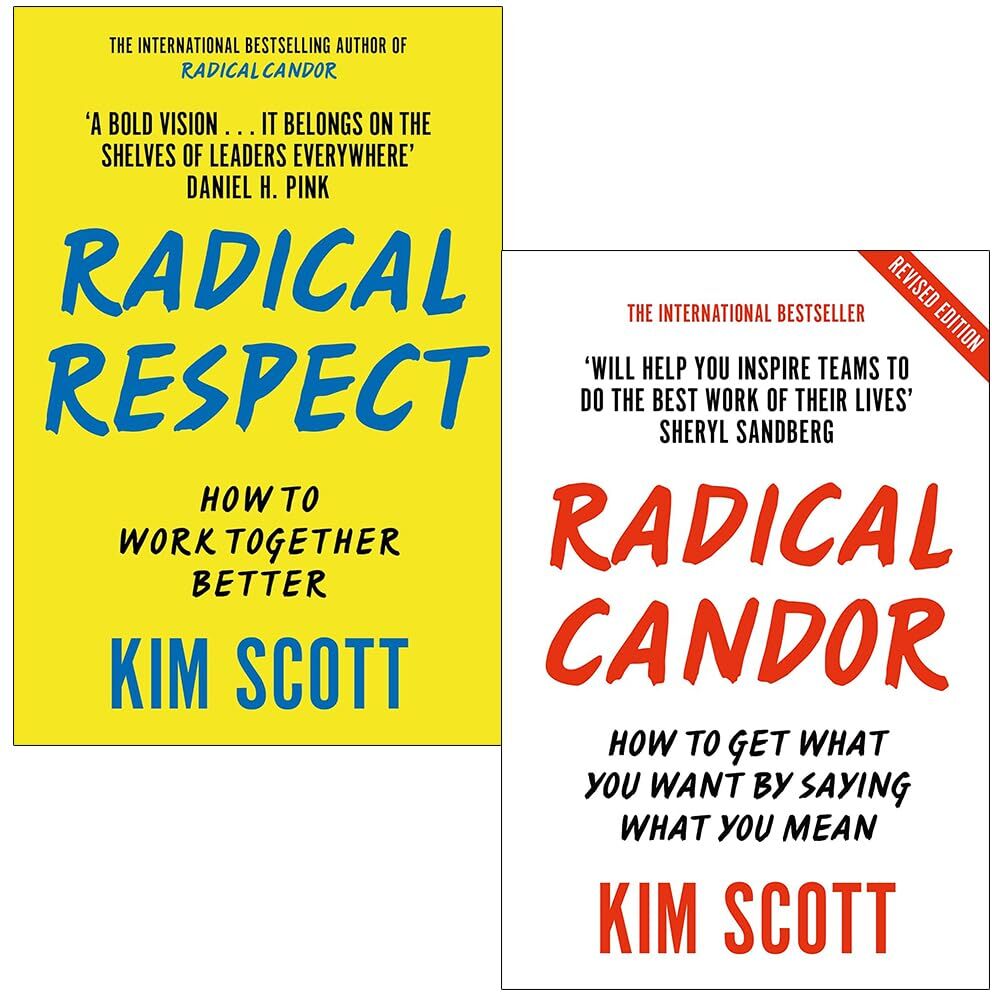
MACMILLAN Kim Scott Collection 2 Books Set Radical Respect & Radical Candor – Leadership, Communication & Workplace Culture GuidesThe Kim Scott Collection – 2 Books Set brings together two transformative leadership bestsellers: Radical Respect and Radical Candor. Written by acclaimed workplace expert Kim Scott, these books offer practical, honest, and empowering guidance for building stronger teams, better communication, and healthier workplace cultures. In Radical Candor, Scott introduces her now-famous framework:Care Personally + Challenge Directly.Learn how to deliver feedback effectively, build trust, and lead with clarity without becoming overly harsh or avoiding difficult conversations. In Radical Respect, Scott expands on inclusion, fairness, accountability and anti-bullying frameworks—showing readers how to build workplaces rooted in dignity, psychological safety, and genuine respect. Together, these books provide a complete roadmap for leaders, managers, HR teams and anyone who wants to communicate better, lead with courage, and create workplaces where people thrive.6,99 £*Shipping: 2,99 £Secure redirect to the provider
-
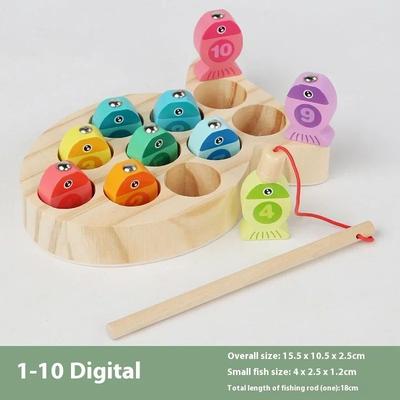
Inspire Select Wooden Montessori Fishing Toy Set Kids Number & Alphabet Learning Game For Early Education Training numbersMake learning fun and interactive with a playful educational experience. This Montessori fishing toy helps children develop essential skills while enjoying handson play. Designed for toddlers and young kids, this wooden learning toy combines...64,96 $*Shipping: 0,00 $Secure redirect to the provider

-
Should a person be reported for using informal language?
It depends on the context and the severity of the informal language being used. In some situations, using informal language may be appropriate and not warrant reporting. However, if the informal language is offensive, disrespectful, or inappropriate for the setting, it may be necessary to report the person to address the issue and maintain a professional or respectful environment. Ultimately, it is important to consider the impact of the informal language and whether reporting is necessary to address any potential harm or discomfort caused. **
-
Should one use informal or formal language at work?
It is generally best to use formal language at work, as it conveys professionalism and respect for colleagues and clients. Using formal language helps to maintain a professional atmosphere and can prevent misunderstandings or offense. However, there may be some situations where informal language is appropriate, such as when communicating with close colleagues or in a more casual work environment. It's important to be mindful of the context and audience when deciding whether to use informal or formal language at work. **
-
Should one use formal or informal language in emails?
When deciding whether to use formal or informal language in emails, it is important to consider the context and the recipient. In professional settings, it is generally more appropriate to use formal language to maintain a level of professionalism. However, in more casual or personal situations, using informal language may be more suitable to establish a friendly tone. Ultimately, it is best to match the tone and level of formality to the relationship and purpose of the email. **
-
Is "buond" slang for "good day" in informal language?
No, "buond" is not slang for "good day" in informal language. The correct informal term for "good day" in Italian is "buongiorno." "Buond" is not a recognized word in Italian and would not be used in informal language to mean "good day." **


Should one use informal or formal language in comments?
It depends on the context and the audience. In professional or formal settings, it is generally more appropriate to use formal language in comments to maintain a level of professionalism. However, in casual or informal settings, using informal language can help create a more relaxed and friendly atmosphere. It's important to consider the tone and expectations of the conversation or platform when deciding whether to use informal or formal language in comments. **
Are youth leaders forcing people to use informal language?
No, youth leaders are not forcing people to use informal language. Informal language may be more commonly used in youth settings, but it is ultimately a personal choice how individuals choose to communicate. Youth leaders may encourage informal language as a way to create a more relaxed and inclusive environment, but they do not force anyone to use it. It is important to recognize that different communication styles are appropriate in different contexts, and individuals should feel free to use the language that best suits their needs and the situation. **
Top-Angebote
Products related to Informal:
-
Perfect Picks Market Montessori Reusable Learning Cards Set For Kids Early Education Writing Practice Game Montessori Reusable Learning Cards Set For Kids Early Education Writing Practice GameTurn everyday learning into a fun, handson experience with these Montessori toys designed to spark curiosity and creativity. This engaging set of reusable cards helps young children build essential skills through play, making it perfect for early...39,97 $*Shipping: 0,00 $Secure redirect to the provider
-
Tiny Tots Teens Trends Drawer Game Early Education Montessori Wooden Pitch Ball Box Preschool Learning Training Toy Drawer Game Early Education Montessori Wooden Pitch Ball Box Preschool Learning Training ToyThis Montessori Wooden Pitch Ball Box Drawer Game is a thoughtfully designed earlyeducation toy that transforms playtime into purposeful learning. Crafted for toddlers and preschoolers, it offers a handson, engaging way to support key developmental...39,97 $*Shipping: 0,00 $Secure redirect to the provider
-
Perfect Picks Market Kids Emotional Expression Mirror Early Education & Emotional Learning Toy For Toddlers pinkNurture your childs emotional intelligence with the Kids Emotional Expression Mirrora fun, interactive learning tool designed to help toddlers understand and manage their feelings. This innovative toy features six emotional expression cards and a...49,97 $*Shipping: 0,00 $Secure redirect to the provider
-
Tiny Tots Teens Trends Bright Color Montessori Wooden Toys, Adorable Caterpillar Puppet, KTV Adults, Kids Early Education Learning Toy For Boys Bright Color Montessori Wooden Toys, Adorable Caterpillar Puppet, KTV Adults, Kids Early Education Learning ToyEnhance Learning with Montessori Wooden Toys Introduce your child to the world of interactive learning with our Montessori Wooden Toys. Designed to stimulate both cognitive development and creativity, these toys are perfect for early education. The...44,97 $*Shipping: 0,00 $Secure redirect to the provider
-
What is her informal language?
Her informal language is casual, relaxed, and conversational. It may include slang, contractions, and colloquial expressions. This type of language is typically used in everyday conversations with friends, family, or in informal settings. **
-
What does formal and informal communication mean?
Formal communication refers to official communication channels within an organization, such as emails, memos, or official meetings. It follows a specific structure and is used for professional purposes. On the other hand, informal communication is more casual and spontaneous, often occurring between colleagues during breaks or social gatherings. It is not bound by specific rules and can help build relationships and foster a sense of camaraderie among team members. **
-
Should a person be reported for using informal language?
It depends on the context and the severity of the informal language being used. In some situations, using informal language may be appropriate and not warrant reporting. However, if the informal language is offensive, disrespectful, or inappropriate for the setting, it may be necessary to report the person to address the issue and maintain a professional or respectful environment. Ultimately, it is important to consider the impact of the informal language and whether reporting is necessary to address any potential harm or discomfort caused. **
-
Should one use informal or formal language at work?
It is generally best to use formal language at work, as it conveys professionalism and respect for colleagues and clients. Using formal language helps to maintain a professional atmosphere and can prevent misunderstandings or offense. However, there may be some situations where informal language is appropriate, such as when communicating with close colleagues or in a more casual work environment. It's important to be mindful of the context and audience when deciding whether to use informal or formal language at work. **
Similar search terms for Informal
-
MACMILLAN Kim Scott Collection 2 Books Set Radical Respect & Radical Candor – Leadership, Communication & Workplace Culture GuidesThe Kim Scott Collection – 2 Books Set brings together two transformative leadership bestsellers: Radical Respect and Radical Candor. Written by acclaimed workplace expert Kim Scott, these books offer practical, honest, and empowering guidance for building stronger teams, better communication, and healthier workplace cultures. In Radical Candor, Scott introduces her now-famous framework:Care Personally + Challenge Directly.Learn how to deliver feedback effectively, build trust, and lead with clarity without becoming overly harsh or avoiding difficult conversations. In Radical Respect, Scott expands on inclusion, fairness, accountability and anti-bullying frameworks—showing readers how to build workplaces rooted in dignity, psychological safety, and genuine respect. Together, these books provide a complete roadmap for leaders, managers, HR teams and anyone who wants to communicate better, lead with courage, and create workplaces where people thrive.6,99 £*Shipping: 2,99 £Secure redirect to the provider
-
Inspire Select Wooden Montessori Fishing Toy Set Kids Number & Alphabet Learning Game For Early Education Training numbersMake learning fun and interactive with a playful educational experience. This Montessori fishing toy helps children develop essential skills while enjoying handson play. Designed for toddlers and young kids, this wooden learning toy combines...64,96 $*Shipping: 0,00 $Secure redirect to the provider
-
Inspired Deals Smart Dog Communication Button With Voice Recorder Pet Talking Trainer For Interactive Learning pinkMeet a smarter way to connect with your furry friend. This pet talking button lets dogs express needs like food, play, or outside time with a simple press. Designed for curious pets and engaged owners, it combines fun with practical training. The...39,97 $*Shipping: 0,00 $Secure redirect to the provider
-
Perfect Picks Market Kids Emotional Expression Mirror Early Education & Emotional Learning Toy For Toddlers blueNurture your childs emotional intelligence with the Kids Emotional Expression Mirrora fun, interactive learning tool designed to help toddlers understand and manage their feelings. This innovative toy features six emotional expression cards and a...49,97 $*Shipping: 0,00 $Secure redirect to the provider
-
Should one use formal or informal language in emails?
When deciding whether to use formal or informal language in emails, it is important to consider the context and the recipient. In professional settings, it is generally more appropriate to use formal language to maintain a level of professionalism. However, in more casual or personal situations, using informal language may be more suitable to establish a friendly tone. Ultimately, it is best to match the tone and level of formality to the relationship and purpose of the email. **
-
Is "buond" slang for "good day" in informal language?
No, "buond" is not slang for "good day" in informal language. The correct informal term for "good day" in Italian is "buongiorno." "Buond" is not a recognized word in Italian and would not be used in informal language to mean "good day." **
-
Should one use informal or formal language in comments?
It depends on the context and the audience. In professional or formal settings, it is generally more appropriate to use formal language in comments to maintain a level of professionalism. However, in casual or informal settings, using informal language can help create a more relaxed and friendly atmosphere. It's important to consider the tone and expectations of the conversation or platform when deciding whether to use informal or formal language in comments. **
-
Are youth leaders forcing people to use informal language?
No, youth leaders are not forcing people to use informal language. Informal language may be more commonly used in youth settings, but it is ultimately a personal choice how individuals choose to communicate. Youth leaders may encourage informal language as a way to create a more relaxed and inclusive environment, but they do not force anyone to use it. It is important to recognize that different communication styles are appropriate in different contexts, and individuals should feel free to use the language that best suits their needs and the situation. **
* All prices are inclusive of VAT and, if applicable, plus shipping costs. The offer information is based on the details provided by the respective shop and is updated through automated processes. Real-time updates do not occur, so deviations can occur in individual cases. ** Note: Parts of this content were created by AI.