Buy eurolingvija.eu ?
We are moving the project
eurolingvija.eu .
Are you interested in purchasing the domain
eurolingvija.eu ?
domain@kv-gmbh.de · 0541-91531010
Buy eurolingvija.eu ?
What is the relationship between non-merchants, potential merchants, and actual merchants?
Non-merchants are individuals who are not currently engaged in any commercial activities. Potential merchants are individuals who are considering entering the world of commerce and starting their own business. Actual merchants are individuals who have already established their businesses and are actively involved in buying and selling goods or services. The relationship between these three groups is that non-merchants may transition into potential merchants as they start exploring business opportunities, and potential merchants may eventually become actual merchants once they establish their businesses and start operating in the market. **
Why does a culture of non-communication establish itself?
A culture of non-communication can establish itself for a variety of reasons. One common reason is fear of conflict or confrontation, which can lead people to avoid difficult conversations and instead choose to remain silent. Additionally, a lack of trust or a fear of judgment can also contribute to a culture of non-communication, as individuals may feel hesitant to share their thoughts and feelings. In some cases, organizational structures and hierarchies can also discourage open communication, leading to a culture of silence and non-disclosure. Overall, a culture of non-communication can develop when there is a lack of psychological safety and trust within a group or organization. **

Similar search terms for Non-merchants
Top-Angebote
Products related to Non-merchants:
-
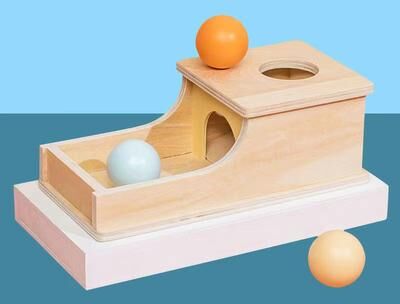
Tiny Tots Teens Trends Drawer Game Early Education Montessori Wooden Pitch Ball Box Preschool Learning Training Toy Drawer Game Early Education Montessori Wooden Pitch Ball Box Preschool Learning Training ToyThis Montessori Wooden Pitch Ball Box Drawer Game is a thoughtfully designed earlyeducation toy that transforms playtime into purposeful learning. Crafted for toddlers and preschoolers, it offers a handson, engaging way to support key developmental...39,97 $*Shipping: 0,00 $Secure redirect to the provider
-
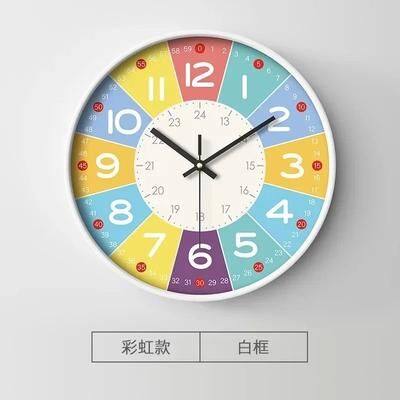
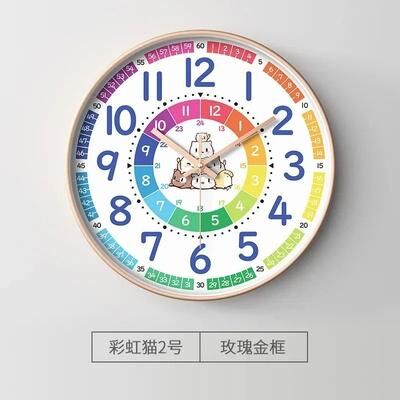
Uplift Picks Kids Learning Wall Clock With Silent Non Ticking Movement f 8 InchMake learning to tell time easier and more engaging for young learners. This kids learning clock uses a colorful analog face with clearly marked hours and minutes to help children understand how a clock works. The teaching time clock is sized at 8...52,98 $*Shipping: 0,00 $Secure redirect to the provider
-
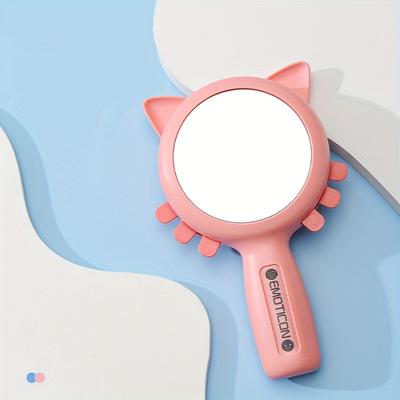
Perfect Picks Market Kids Emotional Expression Mirror Early Education & Emotional Learning Toy For Toddlers pinkNurture your childs emotional intelligence with the Kids Emotional Expression Mirrora fun, interactive learning tool designed to help toddlers understand and manage their feelings. This innovative toy features six emotional expression cards and a...49,97 $*Shipping: 0,00 $Secure redirect to the provider
-
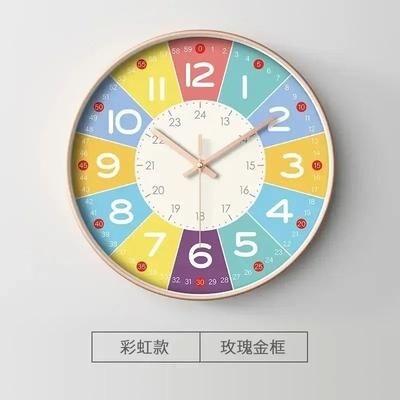
Uplift Picks Kids Learning Wall Clock With Silent Non Ticking Movement e 8 InchMake learning to tell time easier and more engaging for young learners. This kids learning clock uses a colorful analog face with clearly marked hours and minutes to help children understand how a clock works. The teaching time clock is sized at 8...52,98 $*Shipping: 0,00 $Secure redirect to the provider
-
Are retail merchants and office merchants in the same class?
Retail merchants and office merchants are not typically in the same class. Retail merchants are businesses that sell goods directly to consumers, often through physical storefronts or online platforms. Office merchants, on the other hand, are businesses that provide services or products to other businesses, often in a business-to-business (B2B) context. While both types of merchants are involved in commercial activities, they serve different markets and have distinct business models. **
-
Can merchants reject me?
Yes, merchants have the right to reject customers for various reasons, such as if the customer is unable to provide valid identification, has a history of fraudulent activity, or if the merchant believes the customer may not be able to pay for the goods or services. Merchants also have the right to refuse service based on their own policies or if the customer is behaving in a disruptive or threatening manner. However, it is important for merchants to adhere to anti-discrimination laws and not reject customers based on protected characteristics such as race, gender, religion, or disability. **
-
According to the Commercial Code (HGB), which merchants are always considered merchants?
According to the Commercial Code (HGB), individuals who are registered in the commercial register are always considered merchants. Additionally, individuals who operate a commercial business under a commercial business name are also considered merchants. Finally, individuals who are engaged in a commercial business and have a commercial establishment are considered merchants under the HGB. **
-
What is the difference between merchants in the healthcare sector and merchants in office management?
Merchants in the healthcare sector typically deal with the buying and selling of medical supplies, equipment, and pharmaceuticals, as well as managing the financial aspects of healthcare facilities. They must navigate complex regulations and compliance requirements related to patient care and privacy. On the other hand, merchants in office management focus on purchasing and selling office supplies, furniture, and technology, as well as managing the administrative and operational needs of businesses. They are more concerned with streamlining processes and improving efficiency in the workplace. Overall, the main difference lies in the specific products and services they handle, as well as the unique regulations and challenges they face within their respective industries. **

Do merchants need good math skills?
Yes, merchants need good math skills in order to accurately calculate profits, expenses, taxes, and pricing. They need to be able to analyze data, forecast sales, and manage inventory effectively. Math skills are essential for making informed business decisions and ensuring financial success in the competitive marketplace. **
What types of merchants are there?
There are various types of merchants, including retail merchants who sell goods directly to consumers, wholesale merchants who sell products in bulk to retailers, e-commerce merchants who conduct business online, and service merchants who provide services instead of physical goods. Additionally, there are specialty merchants who focus on selling a specific type of product or serving a particular niche market, as well as global merchants who operate on an international scale. Each type of merchant plays a unique role in the economy and serves different customer needs. **
Top-Angebote
Products related to Non-merchants:
-
Perfect Picks Market Montessori Reusable Learning Cards Set For Kids Early Education Writing Practice Game Montessori Reusable Learning Cards Set For Kids Early Education Writing Practice GameTurn everyday learning into a fun, handson experience with these Montessori toys designed to spark curiosity and creativity. This engaging set of reusable cards helps young children build essential skills through play, making it perfect for early...39,97 $*Shipping: 0,00 $Secure redirect to the provider
-
Drop Dash Deals Dog Talking Button Communication Set Recordable Voice Buttons With Non Slip Pad & Stickers For Pet Training Dog Talking Button Communication Set Recordable Voice Buttons With Non Slip Pad & Stickers For Pet TrainingTransform your pets ability to communicate with this 29pcs Dog Talking Button Communication Set. This innovative set helps your dog or cat express their needswhether it's asking for a walk, food, or playtimeusing customizable voice commands. Each...64,97 $*Shipping: 0,00 $Secure redirect to the provider
-
Tiny Tots Teens Trends Drawer Game Early Education Montessori Wooden Pitch Ball Box Preschool Learning Training Toy Drawer Game Early Education Montessori Wooden Pitch Ball Box Preschool Learning Training ToyThis Montessori Wooden Pitch Ball Box Drawer Game is a thoughtfully designed earlyeducation toy that transforms playtime into purposeful learning. Crafted for toddlers and preschoolers, it offers a handson, engaging way to support key developmental...39,97 $*Shipping: 0,00 $Secure redirect to the provider
-
Uplift Picks Kids Learning Wall Clock With Silent Non Ticking Movement f 8 InchMake learning to tell time easier and more engaging for young learners. This kids learning clock uses a colorful analog face with clearly marked hours and minutes to help children understand how a clock works. The teaching time clock is sized at 8...52,98 $*Shipping: 0,00 $Secure redirect to the provider
-
What is the relationship between non-merchants, potential merchants, and actual merchants?
Non-merchants are individuals who are not currently engaged in any commercial activities. Potential merchants are individuals who are considering entering the world of commerce and starting their own business. Actual merchants are individuals who have already established their businesses and are actively involved in buying and selling goods or services. The relationship between these three groups is that non-merchants may transition into potential merchants as they start exploring business opportunities, and potential merchants may eventually become actual merchants once they establish their businesses and start operating in the market. **
-
Why does a culture of non-communication establish itself?
A culture of non-communication can establish itself for a variety of reasons. One common reason is fear of conflict or confrontation, which can lead people to avoid difficult conversations and instead choose to remain silent. Additionally, a lack of trust or a fear of judgment can also contribute to a culture of non-communication, as individuals may feel hesitant to share their thoughts and feelings. In some cases, organizational structures and hierarchies can also discourage open communication, leading to a culture of silence and non-disclosure. Overall, a culture of non-communication can develop when there is a lack of psychological safety and trust within a group or organization. **
-
Are retail merchants and office merchants in the same class?
Retail merchants and office merchants are not typically in the same class. Retail merchants are businesses that sell goods directly to consumers, often through physical storefronts or online platforms. Office merchants, on the other hand, are businesses that provide services or products to other businesses, often in a business-to-business (B2B) context. While both types of merchants are involved in commercial activities, they serve different markets and have distinct business models. **
-
Can merchants reject me?
Yes, merchants have the right to reject customers for various reasons, such as if the customer is unable to provide valid identification, has a history of fraudulent activity, or if the merchant believes the customer may not be able to pay for the goods or services. Merchants also have the right to refuse service based on their own policies or if the customer is behaving in a disruptive or threatening manner. However, it is important for merchants to adhere to anti-discrimination laws and not reject customers based on protected characteristics such as race, gender, religion, or disability. **
Similar search terms for Non-merchants
-
Perfect Picks Market Kids Emotional Expression Mirror Early Education & Emotional Learning Toy For Toddlers pinkNurture your childs emotional intelligence with the Kids Emotional Expression Mirrora fun, interactive learning tool designed to help toddlers understand and manage their feelings. This innovative toy features six emotional expression cards and a...49,97 $*Shipping: 0,00 $Secure redirect to the provider
-
Uplift Picks Kids Learning Wall Clock With Silent Non Ticking Movement e 8 InchMake learning to tell time easier and more engaging for young learners. This kids learning clock uses a colorful analog face with clearly marked hours and minutes to help children understand how a clock works. The teaching time clock is sized at 8...52,98 $*Shipping: 0,00 $Secure redirect to the provider
-
Uplift Picks Kids Learning Wall Clock With Silent Non Ticking Movement b 8 InchMake learning to tell time easier and more engaging for young learners. This kids learning clock uses a colorful analog face with clearly marked hours and minutes to help children understand how a clock works. The teaching time clock is sized at 8...52,98 $*Shipping: 0,00 $Secure redirect to the provider
-
Uplift Picks Kids Learning Wall Clock With Silent Non Ticking Movement a 8 InchMake learning to tell time easier and more engaging for young learners. This kids learning clock uses a colorful analog face with clearly marked hours and minutes to help children understand how a clock works. The teaching time clock is sized at 8...52,98 $*Shipping: 0,00 $Secure redirect to the provider
-
According to the Commercial Code (HGB), which merchants are always considered merchants?
According to the Commercial Code (HGB), individuals who are registered in the commercial register are always considered merchants. Additionally, individuals who operate a commercial business under a commercial business name are also considered merchants. Finally, individuals who are engaged in a commercial business and have a commercial establishment are considered merchants under the HGB. **
-
What is the difference between merchants in the healthcare sector and merchants in office management?
Merchants in the healthcare sector typically deal with the buying and selling of medical supplies, equipment, and pharmaceuticals, as well as managing the financial aspects of healthcare facilities. They must navigate complex regulations and compliance requirements related to patient care and privacy. On the other hand, merchants in office management focus on purchasing and selling office supplies, furniture, and technology, as well as managing the administrative and operational needs of businesses. They are more concerned with streamlining processes and improving efficiency in the workplace. Overall, the main difference lies in the specific products and services they handle, as well as the unique regulations and challenges they face within their respective industries. **
-
Do merchants need good math skills?
Yes, merchants need good math skills in order to accurately calculate profits, expenses, taxes, and pricing. They need to be able to analyze data, forecast sales, and manage inventory effectively. Math skills are essential for making informed business decisions and ensuring financial success in the competitive marketplace. **
-
What types of merchants are there?
There are various types of merchants, including retail merchants who sell goods directly to consumers, wholesale merchants who sell products in bulk to retailers, e-commerce merchants who conduct business online, and service merchants who provide services instead of physical goods. Additionally, there are specialty merchants who focus on selling a specific type of product or serving a particular niche market, as well as global merchants who operate on an international scale. Each type of merchant plays a unique role in the economy and serves different customer needs. **
* All prices are inclusive of VAT and, if applicable, plus shipping costs. The offer information is based on the details provided by the respective shop and is updated through automated processes. Real-time updates do not occur, so deviations can occur in individual cases. ** Note: Parts of this content were created by AI.