Buy eurolingvija.eu ?
We are moving the project
eurolingvija.eu .
Are you interested in purchasing the domain
eurolingvija.eu ?
domain@kv-gmbh.de · 0541-91531010
Buy eurolingvija.eu ?
What are the peculiarities of serfdom?
Serfdom was a system of labor in which individuals were bound to the land they worked on and were under the control of a lord. Serfs were not slaves, as they had some rights and could not be bought or sold, but they were still subject to the authority of their lord. They were required to provide labor, goods, and services to the lord in exchange for protection and the use of land. Serfdom was a common feature of feudal societies in medieval Europe and persisted in some regions until the 19th century. **
Will serfdom be reintroduced in the future?
It is highly unlikely that serfdom will be reintroduced in the future. Serfdom was a system of forced labor and servitude that was abolished in most parts of the world during the 19th century. The modern world operates under principles of human rights, freedom, and equality, making the reintroduction of serfdom incompatible with contemporary values and legal frameworks. Additionally, the global economy and labor market have evolved to rely on different forms of employment and compensation, further diminishing the possibility of a return to serfdom. **

Similar search terms for Serfdom
Top-Angebote
Products related to Serfdom:
-
Perfect Picks Market Kids Emotional Expression Mirror Early Education & Emotional Learning Toy For Toddlers pinkNurture your childs emotional intelligence with the Kids Emotional Expression Mirrora fun, interactive learning tool designed to help toddlers understand and manage their feelings. This innovative toy features six emotional expression cards and a...49,97 $*Shipping: 0,00 $Secure redirect to the provider
-
Tiny Tots Teens Trends Bright Color Montessori Wooden Toys, Adorable Caterpillar Puppet, KTV Adults, Kids Early Education Learning Toy For Boys Bright Color Montessori Wooden Toys, Adorable Caterpillar Puppet, KTV Adults, Kids Early Education Learning ToyEnhance Learning with Montessori Wooden Toys Introduce your child to the world of interactive learning with our Montessori Wooden Toys. Designed to stimulate both cognitive development and creativity, these toys are perfect for early education. The...44,97 $*Shipping: 0,00 $Secure redirect to the provider
-
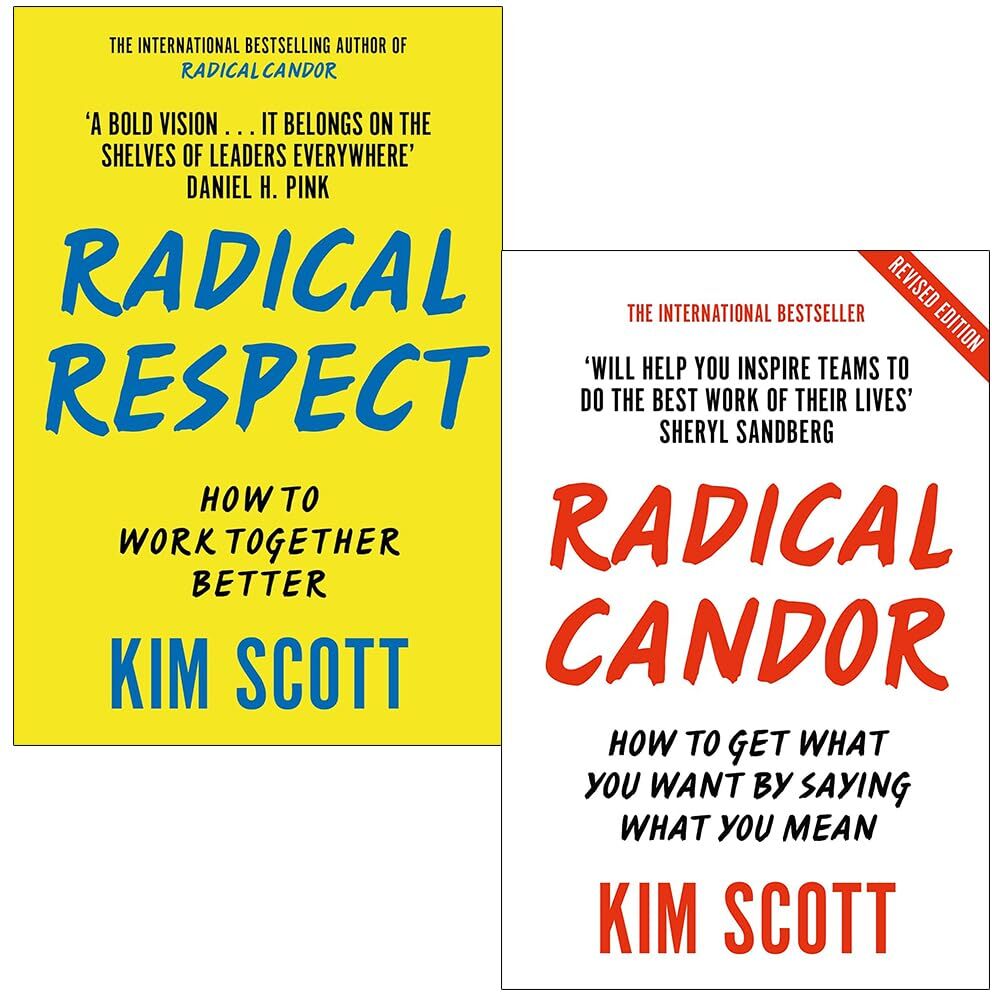
MACMILLAN Kim Scott Collection 2 Books Set Radical Respect & Radical Candor – Leadership, Communication & Workplace Culture GuidesThe Kim Scott Collection – 2 Books Set brings together two transformative leadership bestsellers: Radical Respect and Radical Candor. Written by acclaimed workplace expert Kim Scott, these books offer practical, honest, and empowering guidance for building stronger teams, better communication, and healthier workplace cultures. In Radical Candor, Scott introduces her now-famous framework:Care Personally + Challenge Directly.Learn how to deliver feedback effectively, build trust, and lead with clarity without becoming overly harsh or avoiding difficult conversations. In Radical Respect, Scott expands on inclusion, fairness, accountability and anti-bullying frameworks—showing readers how to build workplaces rooted in dignity, psychological safety, and genuine respect. Together, these books provide a complete roadmap for leaders, managers, HR teams and anyone who wants to communicate better, lead with courage, and create workplaces where people thrive.6,99 £*Shipping: 2,99 £Secure redirect to the provider
-
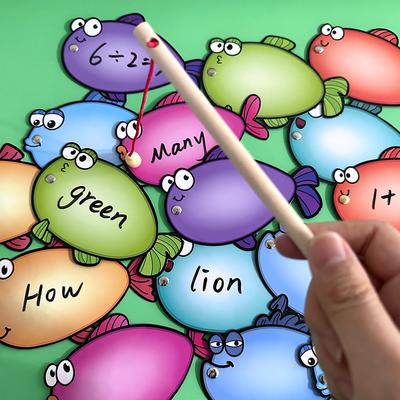
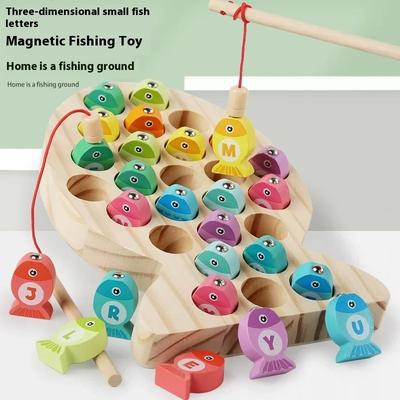
Inspire Select Wooden Montessori Fishing Toy Set Kids Number & Alphabet Learning Game For Early Education Training lettersMake learning fun and interactive with a playful educational experience. This Montessori fishing toy helps children develop essential skills while enjoying handson play. Designed for toddlers and young kids, this wooden learning toy combines...96,97 $*Shipping: 0,00 $Secure redirect to the provider


-
What is the difference between serfdom and manorialism?
Serfdom and manorialism are related systems that were prevalent in medieval Europe. Manorialism refers to the economic system where peasants worked on a lord's estate in exchange for protection and the use of land. Serfdom, on the other hand, refers to the legal and social status of the peasants who were bound to the land they worked on and were considered the property of the lord. In essence, manorialism is the economic system, while serfdom is the social and legal status of the peasants within that system. **
-
What is the difference between lordship and serfdom?
Lordship refers to the status of a noble or landowner who has control and authority over a piece of land and the people living on it. Serfdom, on the other hand, refers to the status of a peasant or laborer who is bound to the land they work on and must provide labor and goods to the lord in exchange for protection and the right to live on the land. In essence, lordship represents the ruling class with power and authority, while serfdom represents the laboring class with limited rights and freedoms. **
-
What is the difference between serfdom and bondage?
Serfdom and bondage are both forms of unfree labor, but they have different historical and cultural contexts. Serfdom was a system of labor in medieval Europe where peasants were bound to the land and required to work for the lord in exchange for protection and the use of land. Bondage, on the other hand, refers to the condition of being enslaved or held as property, often as a result of being captured in war, being born into slavery, or being sold into slavery. While both serfdom and bondage involve the lack of freedom and autonomy, serfdom was tied to the feudal system in Europe, while bondage has been a more widespread and enduring form of unfree labor throughout history. **
-
What is the difference between manorialism and serfdom?
Manorialism refers to the economic system in medieval Europe where land was divided into manors controlled by a lord, who provided protection and resources in exchange for labor and goods from the peasants. Serfdom, on the other hand, was the legal and social status of the peasants who worked the land on the manor. Serfs were bound to the land and could not leave without the lord's permission, whereas manorialism refers to the overall system of land ownership and labor relationships. In essence, manorialism was the economic system, while serfdom was the social status of the laborers within that system. **


Can there be forced labor and serfdom in a democratic state? Justification?
Forced labor and serfdom are generally considered incompatible with the principles of democracy, which prioritize individual freedoms and rights. In a democratic state, citizens are expected to have the right to choose their occupation and work conditions freely. Any form of forced labor or serfdom would violate these fundamental principles and would likely face legal challenges and public outcry. Additionally, international human rights standards and conventions prohibit forced labor and slavery, further reinforcing the incompatibility of these practices with a democratic society. **
What were the serfdom conditions in the Ottobeuren Monastery State in the year 1548?
In 1548, the Ottobeuren Monastery State was a feudal society where serfdom conditions were prevalent. Serfs were bound to the land they worked on and were required to provide labor and goods to the monastery in exchange for protection and a place to live. Serfs had limited rights and freedoms, and their lives were heavily controlled by the monastery. They were subject to the authority of the monastery's rulers and had little opportunity for social mobility. **
Top-Angebote
Products related to Serfdom:
-
Perfect Picks Market Montessori Reusable Learning Cards Set For Kids Early Education Writing Practice Game Montessori Reusable Learning Cards Set For Kids Early Education Writing Practice GameTurn everyday learning into a fun, handson experience with these Montessori toys designed to spark curiosity and creativity. This engaging set of reusable cards helps young children build essential skills through play, making it perfect for early...39,97 $*Shipping: 0,00 $Secure redirect to the provider
-
Tiny Tots Teens Trends Drawer Game Early Education Montessori Wooden Pitch Ball Box Preschool Learning Training Toy Drawer Game Early Education Montessori Wooden Pitch Ball Box Preschool Learning Training ToyThis Montessori Wooden Pitch Ball Box Drawer Game is a thoughtfully designed earlyeducation toy that transforms playtime into purposeful learning. Crafted for toddlers and preschoolers, it offers a handson, engaging way to support key developmental...39,97 $*Shipping: 0,00 $Secure redirect to the provider
-
Perfect Picks Market Kids Emotional Expression Mirror Early Education & Emotional Learning Toy For Toddlers pinkNurture your childs emotional intelligence with the Kids Emotional Expression Mirrora fun, interactive learning tool designed to help toddlers understand and manage their feelings. This innovative toy features six emotional expression cards and a...49,97 $*Shipping: 0,00 $Secure redirect to the provider
-
Tiny Tots Teens Trends Bright Color Montessori Wooden Toys, Adorable Caterpillar Puppet, KTV Adults, Kids Early Education Learning Toy For Boys Bright Color Montessori Wooden Toys, Adorable Caterpillar Puppet, KTV Adults, Kids Early Education Learning ToyEnhance Learning with Montessori Wooden Toys Introduce your child to the world of interactive learning with our Montessori Wooden Toys. Designed to stimulate both cognitive development and creativity, these toys are perfect for early education. The...44,97 $*Shipping: 0,00 $Secure redirect to the provider
-
What are the peculiarities of serfdom?
Serfdom was a system of labor in which individuals were bound to the land they worked on and were under the control of a lord. Serfs were not slaves, as they had some rights and could not be bought or sold, but they were still subject to the authority of their lord. They were required to provide labor, goods, and services to the lord in exchange for protection and the use of land. Serfdom was a common feature of feudal societies in medieval Europe and persisted in some regions until the 19th century. **
-
Will serfdom be reintroduced in the future?
It is highly unlikely that serfdom will be reintroduced in the future. Serfdom was a system of forced labor and servitude that was abolished in most parts of the world during the 19th century. The modern world operates under principles of human rights, freedom, and equality, making the reintroduction of serfdom incompatible with contemporary values and legal frameworks. Additionally, the global economy and labor market have evolved to rely on different forms of employment and compensation, further diminishing the possibility of a return to serfdom. **
-
What is the difference between serfdom and manorialism?
Serfdom and manorialism are related systems that were prevalent in medieval Europe. Manorialism refers to the economic system where peasants worked on a lord's estate in exchange for protection and the use of land. Serfdom, on the other hand, refers to the legal and social status of the peasants who were bound to the land they worked on and were considered the property of the lord. In essence, manorialism is the economic system, while serfdom is the social and legal status of the peasants within that system. **
-
What is the difference between lordship and serfdom?
Lordship refers to the status of a noble or landowner who has control and authority over a piece of land and the people living on it. Serfdom, on the other hand, refers to the status of a peasant or laborer who is bound to the land they work on and must provide labor and goods to the lord in exchange for protection and the right to live on the land. In essence, lordship represents the ruling class with power and authority, while serfdom represents the laboring class with limited rights and freedoms. **
Similar search terms for Serfdom
-
MACMILLAN Kim Scott Collection 2 Books Set Radical Respect & Radical Candor – Leadership, Communication & Workplace Culture GuidesThe Kim Scott Collection – 2 Books Set brings together two transformative leadership bestsellers: Radical Respect and Radical Candor. Written by acclaimed workplace expert Kim Scott, these books offer practical, honest, and empowering guidance for building stronger teams, better communication, and healthier workplace cultures. In Radical Candor, Scott introduces her now-famous framework:Care Personally + Challenge Directly.Learn how to deliver feedback effectively, build trust, and lead with clarity without becoming overly harsh or avoiding difficult conversations. In Radical Respect, Scott expands on inclusion, fairness, accountability and anti-bullying frameworks—showing readers how to build workplaces rooted in dignity, psychological safety, and genuine respect. Together, these books provide a complete roadmap for leaders, managers, HR teams and anyone who wants to communicate better, lead with courage, and create workplaces where people thrive.6,99 £*Shipping: 2,99 £Secure redirect to the provider
-
Inspire Select Wooden Montessori Fishing Toy Set Kids Number & Alphabet Learning Game For Early Education Training lettersMake learning fun and interactive with a playful educational experience. This Montessori fishing toy helps children develop essential skills while enjoying handson play. Designed for toddlers and young kids, this wooden learning toy combines...96,97 $*Shipping: 0,00 $Secure redirect to the provider
-
Inspired Deals Smart Dog Communication Button With Voice Recorder Pet Talking Trainer For Interactive Learning purpleMeet a smarter way to connect with your furry friend. This pet talking button lets dogs express needs like food, play, or outside time with a simple press. Designed for curious pets and engaged owners, it combines fun with practical training. The...39,97 $*Shipping: 0,00 $Secure redirect to the provider
-
Perfect Picks Market Kids Emotional Expression Mirror Early Education & Emotional Learning Toy For Toddlers blueNurture your childs emotional intelligence with the Kids Emotional Expression Mirrora fun, interactive learning tool designed to help toddlers understand and manage their feelings. This innovative toy features six emotional expression cards and a...49,97 $*Shipping: 0,00 $Secure redirect to the provider
-
What is the difference between serfdom and bondage?
Serfdom and bondage are both forms of unfree labor, but they have different historical and cultural contexts. Serfdom was a system of labor in medieval Europe where peasants were bound to the land and required to work for the lord in exchange for protection and the use of land. Bondage, on the other hand, refers to the condition of being enslaved or held as property, often as a result of being captured in war, being born into slavery, or being sold into slavery. While both serfdom and bondage involve the lack of freedom and autonomy, serfdom was tied to the feudal system in Europe, while bondage has been a more widespread and enduring form of unfree labor throughout history. **
-
What is the difference between manorialism and serfdom?
Manorialism refers to the economic system in medieval Europe where land was divided into manors controlled by a lord, who provided protection and resources in exchange for labor and goods from the peasants. Serfdom, on the other hand, was the legal and social status of the peasants who worked the land on the manor. Serfs were bound to the land and could not leave without the lord's permission, whereas manorialism refers to the overall system of land ownership and labor relationships. In essence, manorialism was the economic system, while serfdom was the social status of the laborers within that system. **
-
Can there be forced labor and serfdom in a democratic state? Justification?
Forced labor and serfdom are generally considered incompatible with the principles of democracy, which prioritize individual freedoms and rights. In a democratic state, citizens are expected to have the right to choose their occupation and work conditions freely. Any form of forced labor or serfdom would violate these fundamental principles and would likely face legal challenges and public outcry. Additionally, international human rights standards and conventions prohibit forced labor and slavery, further reinforcing the incompatibility of these practices with a democratic society. **
-
What were the serfdom conditions in the Ottobeuren Monastery State in the year 1548?
In 1548, the Ottobeuren Monastery State was a feudal society where serfdom conditions were prevalent. Serfs were bound to the land they worked on and were required to provide labor and goods to the monastery in exchange for protection and a place to live. Serfs had limited rights and freedoms, and their lives were heavily controlled by the monastery. They were subject to the authority of the monastery's rulers and had little opportunity for social mobility. **
* All prices are inclusive of VAT and, if applicable, plus shipping costs. The offer information is based on the details provided by the respective shop and is updated through automated processes. Real-time updates do not occur, so deviations can occur in individual cases. ** Note: Parts of this content were created by AI.