Buy eurolingvija.eu ?
We are moving the project
eurolingvija.eu .
Are you interested in purchasing the domain
eurolingvija.eu ?
domain@kv-gmbh.de · 0541-91531010
Buy eurolingvija.eu ?
How did colloquial language originate?
Colloquial language originated as a way for people to communicate informally and comfortably with each other. It developed over time through everyday interactions and conversations among individuals within a particular community or region. As people interacted and shared their thoughts and experiences, colloquial language evolved to reflect the unique expressions, slang, and idioms of that group. This informal language continues to change and adapt as new words and phrases are introduced and old ones fall out of use. **
Which colloquial language is it?
The colloquial language used in the text is English. It is informal and conversational in tone, reflecting the way people typically speak in everyday conversations. The use of contractions, slang, and idiomatic expressions also contribute to the colloquial nature of the language. **


Similar search terms for Colloquial
Top-Angebote
Products related to Colloquial:
-
Perfect Picks Market Kids Emotional Expression Mirror Early Education & Emotional Learning Toy For Toddlers blueNurture your childs emotional intelligence with the Kids Emotional Expression Mirrora fun, interactive learning tool designed to help toddlers understand and manage their feelings. This innovative toy features six emotional expression cards and a...49,97 $*Shipping: 0,00 $Secure redirect to the provider
-
Tiny Tots Teens Trends Bright Color Montessori Wooden Toys, Adorable Caterpillar Puppet, KTV Adults, Kids Early Education Learning Toy For Boys Bright Color Montessori Wooden Toys, Adorable Caterpillar Puppet, KTV Adults, Kids Early Education Learning ToyEnhance Learning with Montessori Wooden Toys Introduce your child to the world of interactive learning with our Montessori Wooden Toys. Designed to stimulate both cognitive development and creativity, these toys are perfect for early education. The...44,97 $*Shipping: 0,00 $Secure redirect to the provider
-
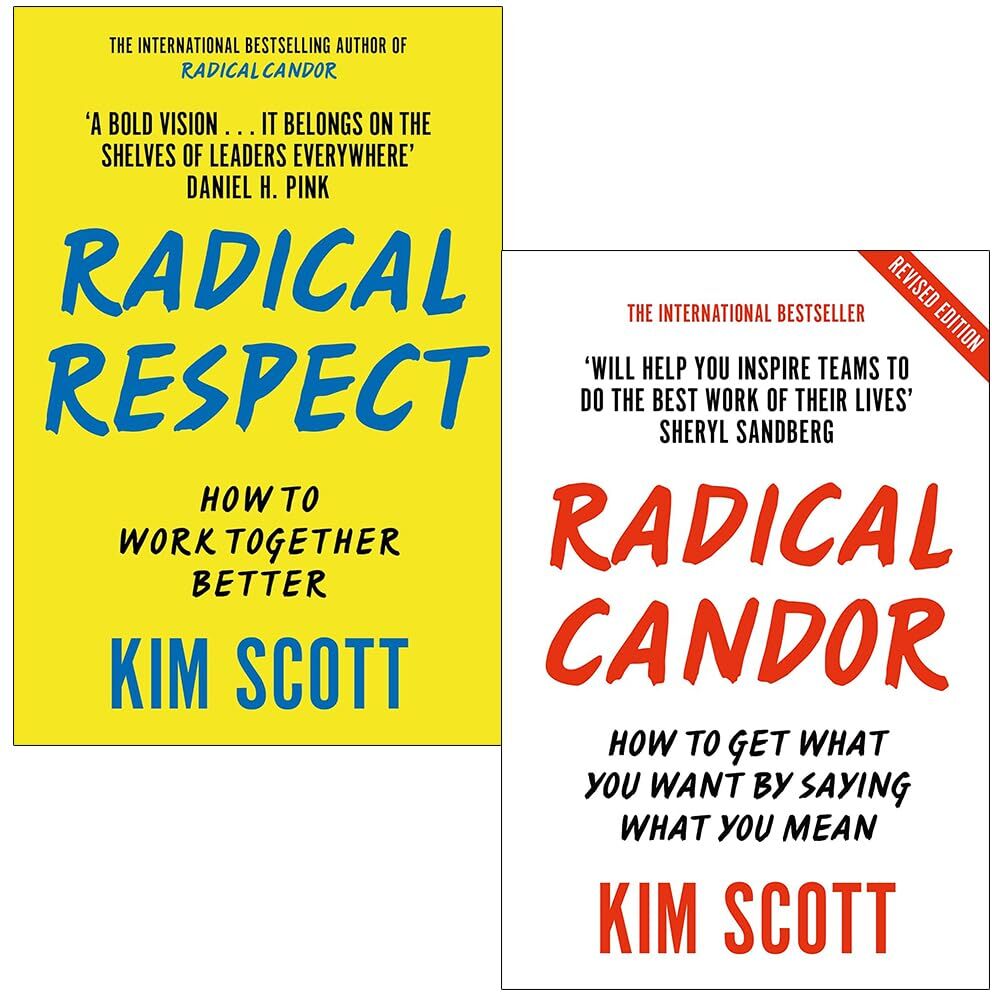
MACMILLAN Kim Scott Collection 2 Books Set Radical Respect & Radical Candor – Leadership, Communication & Workplace Culture GuidesThe Kim Scott Collection – 2 Books Set brings together two transformative leadership bestsellers: Radical Respect and Radical Candor. Written by acclaimed workplace expert Kim Scott, these books offer practical, honest, and empowering guidance for building stronger teams, better communication, and healthier workplace cultures. In Radical Candor, Scott introduces her now-famous framework:Care Personally + Challenge Directly.Learn how to deliver feedback effectively, build trust, and lead with clarity without becoming overly harsh or avoiding difficult conversations. In Radical Respect, Scott expands on inclusion, fairness, accountability and anti-bullying frameworks—showing readers how to build workplaces rooted in dignity, psychological safety, and genuine respect. Together, these books provide a complete roadmap for leaders, managers, HR teams and anyone who wants to communicate better, lead with courage, and create workplaces where people thrive.6,99 £*Shipping: 2,99 £Secure redirect to the provider
-
Inspired Deals Smart Dog Communication Button With Voice Recorder Pet Talking Trainer For Interactive Learning pinkMeet a smarter way to connect with your furry friend. This pet talking button lets dogs express needs like food, play, or outside time with a simple press. Designed for curious pets and engaged owners, it combines fun with practical training. The...39,97 $*Shipping: 0,00 $Secure redirect to the provider



-
When is colloquial language used?
Colloquial language is typically used in informal settings, such as conversations with friends or family, casual emails, or social media posts. It is characterized by its relaxed and conversational tone, often incorporating slang, contractions, and idiomatic expressions. Colloquial language helps to create a sense of familiarity and connection between speakers, making communication more engaging and relatable. **
-
Is colloquial language or formal language better?
The choice between colloquial and formal language depends on the context and audience. Colloquial language is more casual and conversational, making it suitable for informal settings and when trying to connect with a specific audience. On the other hand, formal language is appropriate for professional or academic communication, where precision and professionalism are important. Both have their own strengths, and the best choice depends on the specific communication goals and the expectations of the audience. **
-
What is meant by colloquial language?
Colloquial language refers to informal, everyday language that is used in casual conversations among friends, family, or peers. It often includes slang, regional dialects, and idiomatic expressions that may not be found in formal writing or speech. Colloquial language is characterized by its relaxed and familiar tone, making it more accessible and relatable to a specific group of people. **
-
How can one recognize colloquial language?
Colloquial language can be recognized by its informal and conversational tone. It often includes slang, contractions, and regional dialects that are commonly used in everyday speech. Additionally, colloquial language may lack proper grammar and punctuation, and may include idiomatic expressions or informal vocabulary. Overall, colloquial language is more relaxed and reflective of how people speak in casual settings. **

What is better: formal language or colloquial language?
The choice between formal and colloquial language depends on the context and audience. Formal language is typically used in professional settings, academic writing, and formal speeches to convey professionalism and respect. On the other hand, colloquial language is more relaxed and informal, making it suitable for casual conversations and writing. Both types of language have their own strengths and weaknesses, so it's important to consider the purpose and audience when deciding which to use. **
What is better: Standard language or colloquial language?
Both standard and colloquial language have their own advantages and are better suited for different contexts. Standard language is more formal and widely accepted in professional and academic settings, making it essential for clear communication in these environments. On the other hand, colloquial language is more relaxed and natural, making it better for informal conversations and connecting with others on a personal level. Ultimately, the best choice depends on the specific situation and the audience being addressed. **
Top-Angebote
Products related to Colloquial:
-
Perfect Picks Market Montessori Reusable Learning Cards Set For Kids Early Education Writing Practice Game Montessori Reusable Learning Cards Set For Kids Early Education Writing Practice GameTurn everyday learning into a fun, handson experience with these Montessori toys designed to spark curiosity and creativity. This engaging set of reusable cards helps young children build essential skills through play, making it perfect for early...39,97 $*Shipping: 0,00 $Secure redirect to the provider
-
Tiny Tots Teens Trends Drawer Game Early Education Montessori Wooden Pitch Ball Box Preschool Learning Training Toy Drawer Game Early Education Montessori Wooden Pitch Ball Box Preschool Learning Training ToyThis Montessori Wooden Pitch Ball Box Drawer Game is a thoughtfully designed earlyeducation toy that transforms playtime into purposeful learning. Crafted for toddlers and preschoolers, it offers a handson, engaging way to support key developmental...39,97 $*Shipping: 0,00 $Secure redirect to the provider
-
Perfect Picks Market Kids Emotional Expression Mirror Early Education & Emotional Learning Toy For Toddlers blueNurture your childs emotional intelligence with the Kids Emotional Expression Mirrora fun, interactive learning tool designed to help toddlers understand and manage their feelings. This innovative toy features six emotional expression cards and a...49,97 $*Shipping: 0,00 $Secure redirect to the provider
-
Tiny Tots Teens Trends Bright Color Montessori Wooden Toys, Adorable Caterpillar Puppet, KTV Adults, Kids Early Education Learning Toy For Boys Bright Color Montessori Wooden Toys, Adorable Caterpillar Puppet, KTV Adults, Kids Early Education Learning ToyEnhance Learning with Montessori Wooden Toys Introduce your child to the world of interactive learning with our Montessori Wooden Toys. Designed to stimulate both cognitive development and creativity, these toys are perfect for early education. The...44,97 $*Shipping: 0,00 $Secure redirect to the provider
-
How did colloquial language originate?
Colloquial language originated as a way for people to communicate informally and comfortably with each other. It developed over time through everyday interactions and conversations among individuals within a particular community or region. As people interacted and shared their thoughts and experiences, colloquial language evolved to reflect the unique expressions, slang, and idioms of that group. This informal language continues to change and adapt as new words and phrases are introduced and old ones fall out of use. **
-
Which colloquial language is it?
The colloquial language used in the text is English. It is informal and conversational in tone, reflecting the way people typically speak in everyday conversations. The use of contractions, slang, and idiomatic expressions also contribute to the colloquial nature of the language. **
-
When is colloquial language used?
Colloquial language is typically used in informal settings, such as conversations with friends or family, casual emails, or social media posts. It is characterized by its relaxed and conversational tone, often incorporating slang, contractions, and idiomatic expressions. Colloquial language helps to create a sense of familiarity and connection between speakers, making communication more engaging and relatable. **
-
Is colloquial language or formal language better?
The choice between colloquial and formal language depends on the context and audience. Colloquial language is more casual and conversational, making it suitable for informal settings and when trying to connect with a specific audience. On the other hand, formal language is appropriate for professional or academic communication, where precision and professionalism are important. Both have their own strengths, and the best choice depends on the specific communication goals and the expectations of the audience. **
Similar search terms for Colloquial
-
MACMILLAN Kim Scott Collection 2 Books Set Radical Respect & Radical Candor – Leadership, Communication & Workplace Culture GuidesThe Kim Scott Collection – 2 Books Set brings together two transformative leadership bestsellers: Radical Respect and Radical Candor. Written by acclaimed workplace expert Kim Scott, these books offer practical, honest, and empowering guidance for building stronger teams, better communication, and healthier workplace cultures. In Radical Candor, Scott introduces her now-famous framework:Care Personally + Challenge Directly.Learn how to deliver feedback effectively, build trust, and lead with clarity without becoming overly harsh or avoiding difficult conversations. In Radical Respect, Scott expands on inclusion, fairness, accountability and anti-bullying frameworks—showing readers how to build workplaces rooted in dignity, psychological safety, and genuine respect. Together, these books provide a complete roadmap for leaders, managers, HR teams and anyone who wants to communicate better, lead with courage, and create workplaces where people thrive.6,99 £*Shipping: 2,99 £Secure redirect to the provider
-
Inspired Deals Smart Dog Communication Button With Voice Recorder Pet Talking Trainer For Interactive Learning pinkMeet a smarter way to connect with your furry friend. This pet talking button lets dogs express needs like food, play, or outside time with a simple press. Designed for curious pets and engaged owners, it combines fun with practical training. The...39,97 $*Shipping: 0,00 $Secure redirect to the provider
-
Perfect Picks Market Kids Emotional Expression Mirror Early Education & Emotional Learning Toy For Toddlers pinkNurture your childs emotional intelligence with the Kids Emotional Expression Mirrora fun, interactive learning tool designed to help toddlers understand and manage their feelings. This innovative toy features six emotional expression cards and a...49,97 $*Shipping: 0,00 $Secure redirect to the provider
-
Inspired Deals Smart Dog Communication Button With Voice Recorder Pet Talking Trainer For Interactive Learning purpleMeet a smarter way to connect with your furry friend. This pet talking button lets dogs express needs like food, play, or outside time with a simple press. Designed for curious pets and engaged owners, it combines fun with practical training. The...39,97 $*Shipping: 0,00 $Secure redirect to the provider
-
What is meant by colloquial language?
Colloquial language refers to informal, everyday language that is used in casual conversations among friends, family, or peers. It often includes slang, regional dialects, and idiomatic expressions that may not be found in formal writing or speech. Colloquial language is characterized by its relaxed and familiar tone, making it more accessible and relatable to a specific group of people. **
-
How can one recognize colloquial language?
Colloquial language can be recognized by its informal and conversational tone. It often includes slang, contractions, and regional dialects that are commonly used in everyday speech. Additionally, colloquial language may lack proper grammar and punctuation, and may include idiomatic expressions or informal vocabulary. Overall, colloquial language is more relaxed and reflective of how people speak in casual settings. **
-
What is better: formal language or colloquial language?
The choice between formal and colloquial language depends on the context and audience. Formal language is typically used in professional settings, academic writing, and formal speeches to convey professionalism and respect. On the other hand, colloquial language is more relaxed and informal, making it suitable for casual conversations and writing. Both types of language have their own strengths and weaknesses, so it's important to consider the purpose and audience when deciding which to use. **
-
What is better: Standard language or colloquial language?
Both standard and colloquial language have their own advantages and are better suited for different contexts. Standard language is more formal and widely accepted in professional and academic settings, making it essential for clear communication in these environments. On the other hand, colloquial language is more relaxed and natural, making it better for informal conversations and connecting with others on a personal level. Ultimately, the best choice depends on the specific situation and the audience being addressed. **
* All prices are inclusive of VAT and, if applicable, plus shipping costs. The offer information is based on the details provided by the respective shop and is updated through automated processes. Real-time updates do not occur, so deviations can occur in individual cases. ** Note: Parts of this content were created by AI.